Which Microphone is Best for Recording?
Choosing the right microphone for recording is not easy. There are many types and brands. Each microphone works best in different situations. This guide will help you find the best microphone for your needs.

Credit: blog.landr.com

Credit: www.youtube.com
Why Is Choosing the Right Microphone Important?
Good sound makes your recording better. If you use the wrong microphone, your voice or music will not sound clear. Background noise can also be a problem. A good microphone can reduce noise and capture clear sound.
Types of Microphones for Recording
There are two main types of microphones for recording:
- Dynamic Microphones
- Condenser Microphones
Each type has its own use. Let’s look at them closely.
Dynamic Microphones
Dynamic microphones are strong and can handle loud sounds. They are good for live shows and loud instruments. They do not need extra power to work. They are usually cheaper and last longer.
But, they may not catch soft sounds well. They are not the best for quiet voices or delicate sounds.
Condenser Microphones
Condenser microphones are very sensitive. They catch soft sounds and details well. They need power to work, called phantom power. They are often used in studios.
They can pick up background noise easily. So, they work best in quiet rooms. They are good for singing, podcasts, and instruments like piano or guitar.
Other Microphone Types to Know
- Ribbon Microphones: These give warm and smooth sound. They are fragile and mostly used in studios.
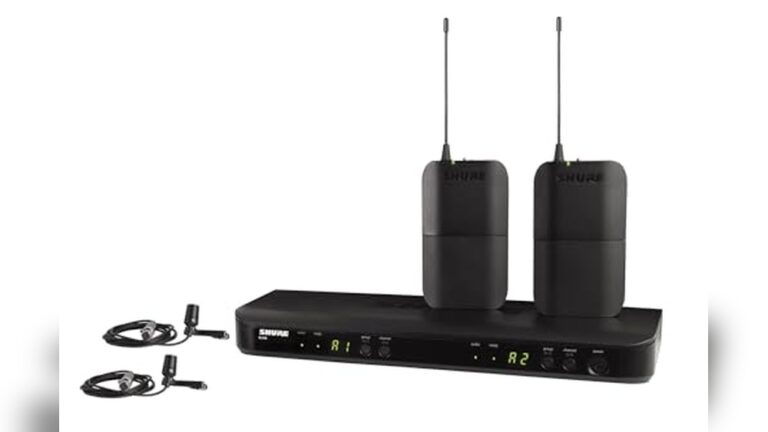
- Lavalier Microphones: Small mics clipped on clothes. Good for videos and interviews.
- USB Microphones: Plug directly into computers. Easy to use for beginners.
- Shotgun Microphones: Long and narrow. Used for video and film to capture sound from far away.
What To Look For When Buying a Microphone
Before buying, think about these points:
- Purpose: What will you record? Voice, music, instruments?
- Environment: Is the room quiet or noisy?
- Budget: How much can you spend?
- Connection Type: USB or XLR? USB is easy, XLR is for better quality.
- Portability: Do you need a mic to carry around?
Best Microphones for Different Recording Needs
Here we list some microphones that work well for common recording tasks.
Best Microphone For Singing
Singers need clear and full sound. Condenser microphones are usually best for singing.
Look for microphones with a wide frequency range. This helps catch all parts of the voice.
Best Microphone For Podcasting
For podcasts, clarity is key. Both dynamic and condenser mics work well.
Dynamic microphones reduce background noise better. Good if your room is not very quiet.
USB microphones are easy for beginners. Plug and play with your computer.
Best Microphone For Instruments
Instruments need different mics depending on the sound.
- Guitar: Both condenser and dynamic mics work. Condenser gives more detail.
- Drums: Dynamic microphones handle loud sounds well.
- Piano: Use condenser microphones for soft sounds.
Best Microphone For Voiceover
Voiceover work needs a clear and natural voice sound.
Condenser microphones are common for voiceover. They catch voice details nicely.
Choose mics with a cardioid pattern. This captures sound from the front only. It blocks noise from other directions.
Microphone Polar Patterns and What They Mean
Polar pattern means where the microphone hears sound best.
| Polar Pattern | Description | Best Use |
|---|---|---|
| Cardioid | Heard mostly from the front. | Recording voice, singing, podcasts. |
| Omnidirectional | Heard from all directions. | Group recordings, room sounds. |
| Bidirectional (Figure-8) | Heard from front and back, not sides. | Interviews with two people. |
| Shotgun | Highly focused front pickup. | Film, video, outdoors. |
USB vs XLR Microphones: Which One to Choose?
USB microphones connect directly to computers. They are easy to use. Good for beginners and simple setups.
XLR microphones need an audio interface or mixer. They give better sound quality. Used by professionals and studios.
If you want simple recording at home, USB is fine. For better quality and future upgrades, choose XLR.
Tips for Better Recording with Your Microphone
- Place the microphone 6-12 inches from your mouth.
- Use a pop filter to reduce “p” and “b” sounds.
- Record in a quiet room to reduce noise.
- Use a shock mount to stop vibrations.
- Test different positions to find the best sound.
Summary: Which Microphone is Best?
The best microphone depends on what you want to record. Here is a quick guide:
| Recording Need | Recommended Microphone | Why? |
|---|---|---|
| Singing | Condenser Microphone | Captures detailed and clear voice sound. |
| Podcasting | Dynamic or USB Microphone | Reduces background noise, easy to use. |
| Instruments (loud) | Dynamic Microphone | Handles loud sounds without distortion. |
| Instruments (soft) | Condenser Microphone | Captures soft and detailed sounds. |
| Voiceover | Condenser Microphone with Cardioid Pattern | Clear and natural voice recording. |
Remember, the microphone is just one part of recording. Good technique and environment matter too. Try different microphones if you can. Find what sounds best to you.
With the right microphone, your recordings will sound better and more professional. Take your time to choose the one that fits your needs and budget.
Frequently Asked Questions
What Type Of Microphone Is Best For Vocal Recording?
Condenser microphones are ideal for vocals due to their sensitivity and clear sound capture.
Should I Choose Dynamic Or Condenser Microphones For Recording?
Dynamic mics suit loud sounds and live settings; condensers capture details better in studios.
Can Usb Microphones Provide Good Recording Quality?
Yes, USB microphones offer good quality and are easy to use for beginners.
What Microphone Is Best For Recording Podcasts?
A cardioid condenser microphone works well to capture clear voice with less background noise.