What are the Disadvantages of Wireless Microphone?
Wireless microphones are popular tools for many events. They let speakers move freely without wires. But, like all tools, they have some problems. In this article, we will talk about the disadvantages of wireless microphones.
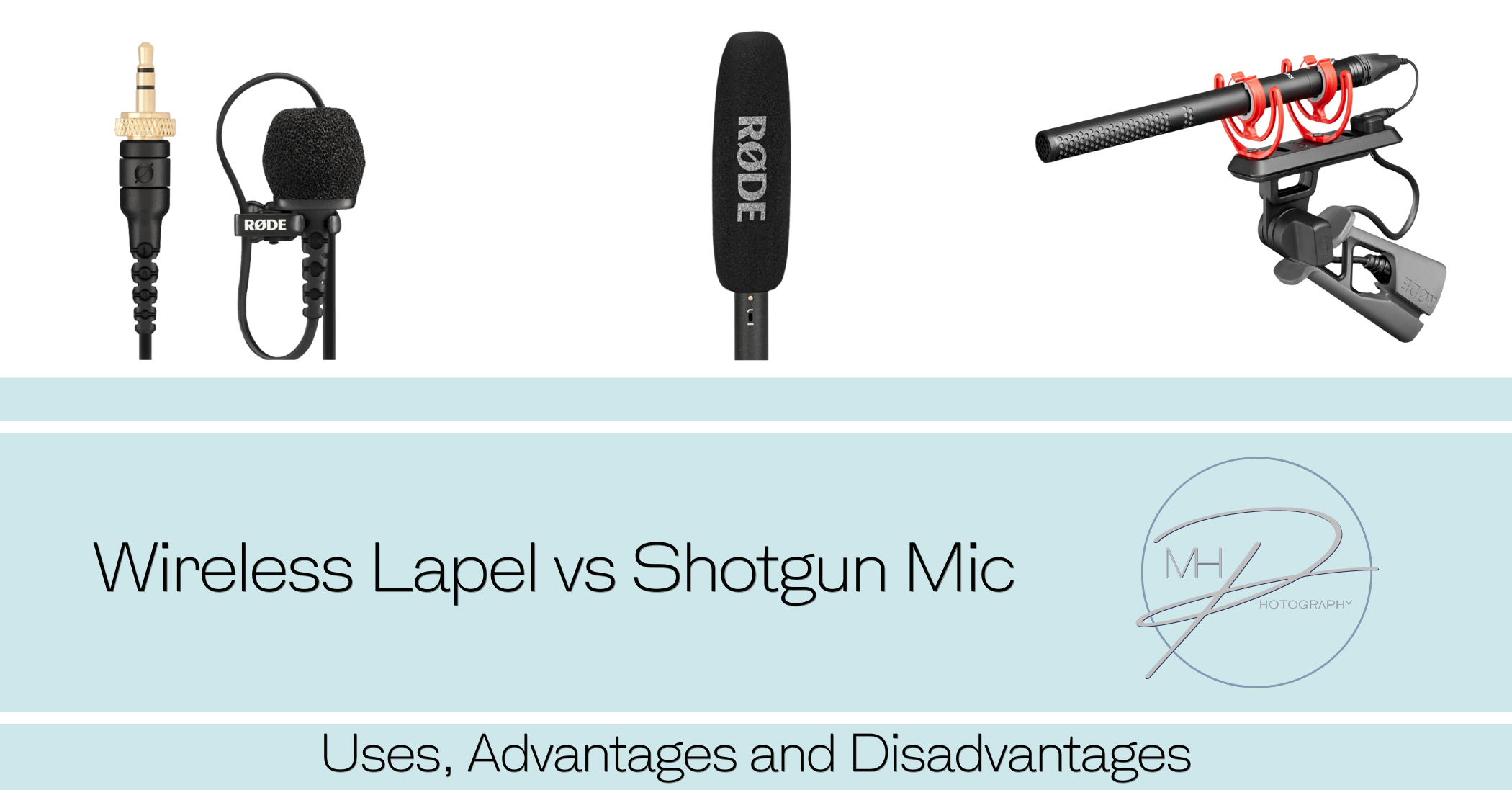
Credit: moniqueharmer.photography
1. Signal Interference
One big problem with wireless microphones is signal interference. This means the microphone signal can get mixed with other signals. For example, other wireless devices, radios, or phones can cause problems. When interference happens, the sound can be weak or have noise. It makes it hard to hear clearly.
Credit: www.businessinsider.com
2. Limited Battery Life
Wireless microphones need batteries to work. Batteries can run out quickly. This can be a problem during long events. If the battery dies, the microphone stops working. You must carry extra batteries or recharge often. It can be a hassle.
3. Higher Cost
Wireless microphones usually cost more than wired ones. You pay for the wireless technology and batteries. Also, you might need special chargers or extra parts. This can make them less affordable for some people or small groups.
4. Risk of Lost or Stolen Equipment
Since wireless microphones are small and portable, they can be lost easily. Also, they can be stolen more easily than wired microphones. You must be careful when using and storing them. This adds extra worry for users.
5. Limited Range
Wireless microphones only work within a certain distance from the receiver. If you move too far, the sound can stop or become weak. This limit can cause problems on large stages or outdoor events. You need to check the range before using.
6. Sound Quality Issues
Sometimes, wireless microphones do not have the same sound quality as wired ones. The sound can be less clear or have delays. This is because the signal travels through the air and can lose quality. For very important sound work, this can be a problem.
7. Setup and Maintenance
Setting up a wireless microphone can take more time than wired ones. You must connect the receiver and check the signal. You also have to keep batteries charged. Maintenance is more than just plugging in a wire. This can be a hassle for beginners.
8. Possible Legal Restrictions
Some places have rules about wireless microphone use. They may limit the frequencies you can use. You might need special permission or licenses. Ignoring these rules can cause fines or legal trouble.
9. More Technical Problems
Wireless systems can have more technical issues. For example, the receiver might lose connection. Or, there could be problems with the transmitter inside the microphone. Fixing these problems needs knowledge and time.
10. Weight and Size
Wireless microphones sometimes have extra parts. Like a small box for batteries or a transmitter. This can make them a bit heavier or bigger. It may feel uncomfortable to hold for a long time.
Summary Table: Disadvantages of Wireless Microphones
| Disadvantage | Explanation |
|---|---|
| Signal Interference | Other devices can cause noise or weak sound. |
| Limited Battery Life | Batteries can run out during use. |
| Higher Cost | More expensive than wired microphones. |
| Risk of Lost or Stolen Equipment | Small and easy to lose or steal. |
| Limited Range | Works only within a set distance. |
| Sound Quality Issues | Sometimes less clear than wired sound. |
| Setup and Maintenance | Needs more time and care to prepare. |
| Possible Legal Restrictions | Rules may limit use or require permits. |
| More Technical Problems | Can lose signal or break down easily. |
| Weight and Size | Extra parts can make it heavier. |
Frequently Asked Questions
What Are Common Signal Issues With Wireless Microphones?
Wireless microphones can face interference and signal dropouts, causing sound loss or poor audio quality.
How Does Battery Life Affect Wireless Microphone Use?
Short battery life limits usage time and may interrupt performances or recordings unexpectedly.
Are Wireless Microphones Prone To Interference?
Yes, nearby devices like Wi-Fi or other wireless gear can cause interference and noise.
Is Wireless Microphone Sound Quality Lower Than Wired?
Wireless mics sometimes have slightly lower sound quality due to signal compression and interference.
Conclusion
Wireless microphones are useful. They let people move without wires. But they have many disadvantages too. Signal problems, battery limits, and cost are important to remember. Also, they need care and good setup. Think about your needs before choosing wireless microphones. Sometimes, wired microphones may be better. Choose what fits your event and budget.