Condenser Microphone Benefits
When you want to record sound, the type of microphone matters a lot. One popular choice is the condenser microphone. It is known for its clear sound and good quality. This article will explain the benefits of condenser microphones. You will learn why many people choose them for recording music, podcasts, and more.
What is a Condenser Microphone?
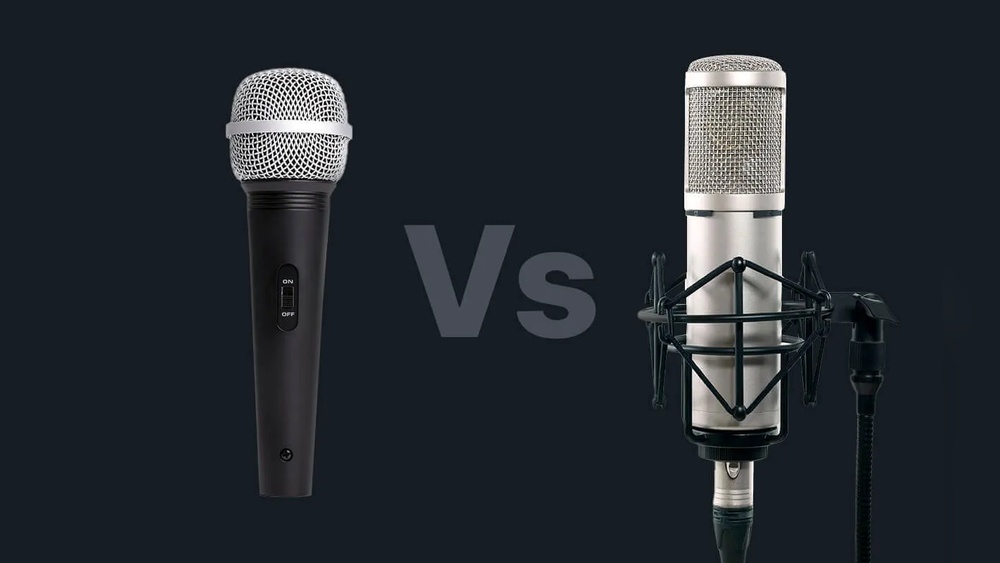
A condenser microphone uses a special part called a capacitor to capture sound. It needs power to work, often from a battery or a device called phantom power. This power helps the microphone pick up soft sounds and details. Condenser microphones are different from dynamic microphones, which do not need extra power.
Clear and Detailed Sound
One big benefit of condenser microphones is their clear sound. They capture more details than many other types of microphones. You can hear soft sounds and small noises clearly. This makes them great for recording voices and musical instruments.
Why Clarity Matters
When recording, you want the sound to be as close to real as possible. Condenser microphones help with this. They make voices and instruments sound natural. This is important for singers, podcasters, and people who make videos.
Better Frequency Response
Condenser microphones can pick up a wide range of sounds. This is called a wide frequency response. They capture both low sounds, like a deep drum, and high sounds, like a whistle. This makes recordings sound full and rich.
What Is Frequency Response?
Frequency response means the range of sound a microphone can catch. The wider the range, the better the microphone can record different sounds. Condenser microphones usually cover the whole human voice range well.
Good Sensitivity
Sensitivity means how well a microphone picks up quiet sounds. Condenser microphones are very sensitive. They catch soft words and quiet music easily. This helps make recordings clear even in noisy places.
Why Sensitivity Helps
If a microphone is not sensitive, you might miss some sounds. This makes the recording less clear. Condenser microphones catch these sounds well. This is why they are good for studios and professional use.

Credit: www.5core.com
Lightweight and Small
Condenser microphones are usually small and light. This makes them easy to carry and use. You can hold them or put them on a stand. Their size helps when recording in different places.
Uses of Condenser Microphones
Many people use condenser microphones in different ways. Here are some common uses:
- Recording vocals: Singers use them for clear voices.
- Instruments: They capture guitars, pianos, and more.
- Podcasts: Podcasters want clear speech.
- Broadcasting: TV and radio use them for good sound.
- Video making: Clear sound is important for videos.
How Condenser Microphones Work
Inside a condenser microphone is a thin metal plate. This plate moves when sound waves hit it. The movement changes the electrical charge. This change turns into the sound signal.
Because the plate is light and thin, it moves easily. This helps the microphone catch small sounds and fast changes. This is why the sound is clear and detailed.

Credit: www.maono.com
Phantom Power and Condenser Microphones
Condenser microphones need power to work. This power is called phantom power. It is usually 48 volts and comes from a mixer or audio interface. Without phantom power, the microphone will not work well or at all.
How To Use Phantom Power
Many devices have a switch for phantom power. Turn it on before you connect the microphone. This gives the microphone the energy it needs. Always check your device instructions to be safe.
Directional Patterns of Condenser Microphones
Condenser microphones come with different pickup patterns. This means how they catch sound around them. Common patterns are:
| Pattern | Description | Use |
|---|---|---|
| Cardioid | Captures sound from the front only | Good for vocals and single instruments |
| Omnidirectional | Captures sound from all directions | Good for groups or room sound |
| Figure-8 | Captures sound from front and back | Good for duets or interviews |
Why Choose a Condenser Microphone?
If you want clear and natural sound, a condenser microphone is a good choice. It catches soft sounds and many details. It is great for singing, talking, and playing instruments. The microphone is easy to carry and use in many places.
Remember, you need phantom power to make it work. Also, choose the right pickup pattern for your needs. This will help you get the best sound.
Summary of Condenser Microphone Benefits
| Benefit | Why It Matters |
|---|---|
| Clear and detailed sound | Sounds natural and easy to understand |
| Wide frequency response | Captures low and high sounds well |
| High sensitivity | Records quiet sounds clearly |
| Lightweight and small | Easy to carry and set up |
| Different pickup patterns | Can record sound from many directions |
Final Thoughts
Condenser microphones are a popular choice for many users. They offer clear sound and capture many details. Whether you are recording music, podcasts, or videos, they can help. Keep in mind you need phantom power and the right setup. With care, your recordings will sound great.
Frequently Asked Questions
What Makes Condenser Microphones Better For Studio Recording?
Condenser mics capture clear, detailed sound with high sensitivity and wide frequency range.
Why Do Condenser Microphones Need Phantom Power?
Phantom power supplies the electric charge that powers the condenser’s internal components.
How Do Condenser Microphones Differ From Dynamic Microphones?
Condenser mics are more sensitive and capture subtle sounds; dynamics handle loud sounds better.
Are Condenser Microphones Good For Vocal Recordings?
Yes, they pick up voice nuances clearly, making vocals sound natural and bright.