When to Use a Condenser Microphone?
Microphones come in many shapes and types. Each type has a special job. One popular kind is the condenser microphone. But when should you use it? This article will help you understand when a condenser mic is the best choice.
What Is a Condenser Microphone?
A condenser microphone is a tool that records sound. It is different from other microphones like dynamic mics. It uses a special part called a capacitor or condenser. This part is very sensitive to sound waves. This means it can catch very small sounds clearly.
Because of this, condenser mics are often used in places where clear and detailed sound is needed. But they also need power to work. This power usually comes from a battery or a power supply called phantom power.
Key Features of Condenser Microphones
- High sensitivity: Captures soft sounds well.
- Wide frequency range: Records low and high sounds.
- Requires power: Needs battery or phantom power.
- Clear sound quality: Good for detailed recordings.

Credit: www.gear4music.com
When to Use a Condenser Microphone?
Now, let us explore the situations where a condenser microphone is the best choice.
1. Recording Vocals
Condenser mics are great for recording voices. They pick up the soft sounds and small details in a voice. This makes the voice sound natural and clear. Singers, podcasters, and voice actors use condenser microphones a lot.
If you want to record a song or a spoken story, a condenser mic will help you get clear sound. It catches the breath, emotion, and tone well.
2. Capturing Acoustic Instruments
Acoustic instruments like guitars, pianos, and violins sound rich and full. Condenser mics can record these sounds in detail. They catch the brightness and subtle tones of instruments better than many other mics.
For example, if you want to record a piano piece or an acoustic guitar, a condenser microphone is a smart choice. It will show all the beauty of the instrument’s sound.
3. Studio Recording
Most music studios use condenser microphones. They want the best sound for songs and instruments. Condenser mics can record many sounds with clarity and detail. That is why they are the main mic in most studios.
If you plan to record in a quiet room or a studio, a condenser microphone will work well. It will pick up the sound clearly without too much noise.
4. Podcasting And Voiceovers
Many podcasters and voiceover artists use condenser microphones. These mics give a clear and warm voice sound. This helps listeners understand every word easily.
When you speak into a condenser mic, your voice sounds close and natural. It makes your podcast or story more interesting.
5. Live Streaming And Video Recording
People who do live streams or record videos often use condenser microphones. They want their voice to sound clear to viewers. Using a condenser mic can improve the quality of sound in videos.
Though some live settings can be noisy, if you have a quiet space, a condenser mic works well. It helps your audience hear you clearly.
6. Recording Ambient Sounds
Condenser microphones are good at picking up background or ambient sounds. This is useful if you want to record nature sounds or room sounds.
For example, if you want to record birds singing or the sound of rain, a condenser mic will capture these sounds nicely. It picks up quiet and far sounds better than many other microphones.
When Not to Use a Condenser Microphone?
Even though condenser mics are great, they are not perfect for every situation.
1. Noisy Environments
Condenser microphones catch all sounds, even noise. If you are in a loud place, the mic will record the noise too. This can make your recording unclear.
In noisy places, dynamic microphones are often better. They only pick up close sounds and ignore noise from far away.
2. Outdoor Use With Wind
Condenser mics are sensitive to wind. Wind can cause loud sounds called “pops” in the recording. If you record outside, you need special wind protection for the mic.
Without this, the wind can spoil your sound. For outdoor work, a dynamic mic or a shotgun mic might be a better choice.
3. Rough Handling Or Drops
Condenser microphones are delicate. They can break if dropped or handled roughly. If you need a mic for rough use, a dynamic mic is more durable.

Credit: www.descript.com
How to Choose the Right Condenser Microphone?
Not all condenser mics are the same. Here are some tips to help you pick the right one.
| Feature | What to Look For |
|---|---|
| Polar Pattern | Choose cardioid for vocals; omnidirectional for group sounds. |
| Frequency Response | Wide range (20 Hz to 20 kHz) for clear sound. |
| Power Requirement | Make sure your device supports phantom power or has batteries. |
| Build Quality | Choose sturdy mics if you move often. |
| Price | Find a mic that fits your budget but has good sound. |
Tips for Using a Condenser Microphone
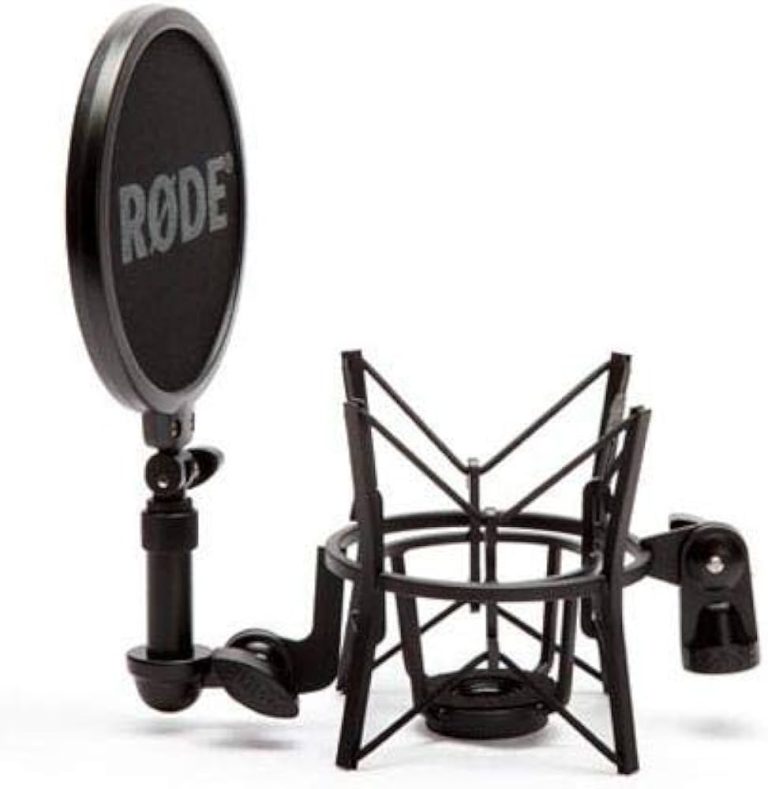
- Use a pop filter to reduce “popping” sounds when speaking.
- Keep the microphone away from loud noises and wind.
- Use a shock mount to avoid noise from handling.
- Record in a quiet room for the best sound quality.
- Make sure to use proper power supply (phantom power or batteries).
Frequently Asked Questions
What Is A Condenser Microphone Used For?
Condenser mics capture clear, detailed sound. They suit vocals, instruments, and studio recording.
Why Choose A Condenser Mic Over A Dynamic Mic?
Condenser mics pick up higher sound quality and detail than dynamic mics.
Can Condenser Microphones Be Used For Live Performances?
Yes, but they need careful handling due to sensitivity and power needs.
Do Condenser Microphones Require External Power?
Yes, they need phantom power from an audio interface or mixer.
Conclusion
Condenser microphones are a great choice for many recording jobs. They work best when you want clear, detailed sound. They are perfect for vocals, acoustic instruments, studio work, podcasting, and recording quiet sounds.
However, they are not the best choice for noisy or rough environments. Understanding when to use a condenser microphone helps you get the best sound. Choose the right mic for your needs and enjoy great recordings.