Ribbon Microphone Benefits
Ribbon microphones are special tools used to record sound. They have a unique way of capturing voices and instruments. Many people like using ribbon microphones because of how they sound.
What Is a Ribbon Microphone?
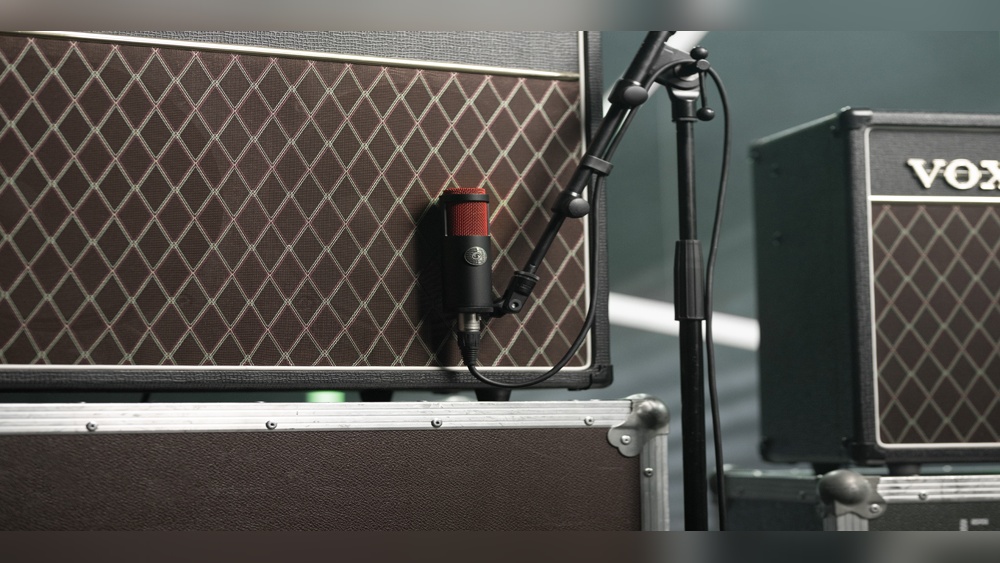
A ribbon microphone uses a thin metal strip to catch sound waves. This strip is called the “ribbon.” When sound hits the ribbon, it moves and creates an electrical signal. This signal then changes into sound we can hear through speakers or headphones.
Ribbon microphones are different from other microphones, like dynamic or condenser types. They usually have a soft and smooth sound. This makes them good for many music styles and voices.

Credit: en.wikipedia.org
Why Choose a Ribbon Microphone?
There are many reasons to pick a ribbon microphone. Below, we list some important benefits.
1. Smooth And Natural Sound
Ribbon microphones give a warm and clear sound. They do not make sounds too bright or sharp. This helps voices and instruments sound more real. The smooth sound is good for vocals, guitars, and brass instruments.
2. Great For Quiet Sounds
Ribbon microphones can catch soft sounds very well. They pick up small details that some microphones miss. This means you can hear every breath or string vibration. This is useful for recording calm or gentle music.
3. Good At Reducing Loud Noises
Ribbon microphones handle loud sounds without distortion. They do not make harsh noises when a sound is very strong. This is helpful when recording drums or loud instruments.
4. Bidirectional Pickup Pattern
Most ribbon microphones hear sound from the front and back. They do not pick sound from the sides. This is called a “figure-8” pattern. It helps when you want to record two singers or reduce noise from the sides.
5. Durable And Long-lasting
Modern ribbon microphones are made with strong materials. They can last a long time with good care. This makes them a good choice for studios and live shows.
6. Less Noise From Handling
Ribbon microphones do not pick up many sounds from moving or touching. This makes them good for handheld use or live performances.
How Does a Ribbon Microphone Work?
The ribbon is very thin and light. When sound waves hit it, the ribbon moves inside a magnetic field. This movement creates a small electrical signal. The signal is sent to the microphone cable and then to a recording device.
Because the ribbon is light, it moves easily with soft sounds. This is why ribbon microphones catch details well.
Where Are Ribbon Microphones Used?
Ribbon microphones work well in many places. Some common uses include:
- Recording voices in music studios
- Capturing guitar and piano sounds
- Recording brass and woodwind instruments
- Broadcasting and radio shows
- Live music performances
Because of their clear and natural sound, ribbon microphones are popular with singers and musicians.
Comparing Ribbon Microphones to Other Types
| Microphone Type | Sound Quality | Best For | Durability |
|---|---|---|---|
| Ribbon | Warm, smooth, natural | Vocals, guitars, brass | Good with care |
| Dynamic | Strong, less sensitive | Drums, live shows | Very durable |
| Condenser | Bright, clear, detailed | Studio vocals, instruments | Fragile |
Tips for Using Ribbon Microphones
- Handle with care; the ribbon is thin and delicate.
- Use a preamp with enough gain for best sound.
- Keep away from strong wind or blasts of air.
- Position the microphone correctly to capture the best sound.
- Store in a safe place when not in use.
Following these tips will help you get the best results from your ribbon microphone.
Common Myths About Ribbon Microphones
Some people think ribbon microphones are old or weak. But modern ribbon microphones are strong and reliable. They can work well in many settings.
Another myth is that ribbon microphones only work for certain sounds. In truth, they are very flexible and can record many instruments and voices well.
.webp)
Credit: riverside.com
Frequently Asked Questions
What Are The Main Benefits Of Ribbon Microphones?
Ribbon microphones deliver warm, natural sound with smooth high frequencies and detailed midrange.
How Do Ribbon Microphones Compare To Condenser Mics?
Ribbon mics have softer highs and less noise, great for vocals and instruments.
Why Choose Ribbon Microphones For Recording Vocals?
They capture smooth, warm tones that make vocals sound clear and natural.
Can Ribbon Microphones Handle Loud Sound Sources?
Yes, they manage loud sounds well without distortion or damage.
Conclusion
Ribbon microphones offer many benefits. They give a smooth, natural sound that many like. They pick up soft sounds and handle loud ones well. Their special figure-8 pattern helps in different recording situations. With care, they last a long time and deliver great quality.
If you want clear and warm sound in your recordings, a ribbon microphone can be a good choice. It works well in studios and on stage. Understanding how it works and using it properly will help you get the best from this special microphone.
Remember, the right microphone makes a big difference. Try a ribbon microphone to hear sound in a new way.