Microphone Vs Loudspeaker
Microphones and loudspeakers are very common. You see and hear them every day. But do you know how they work? Or how they are different?
This article will explain microphone vs loudspeaker in a simple way. You will learn what each device does, how they work, and when to use them.

Credit: mynewmicrophone.com
What Is a Microphone?
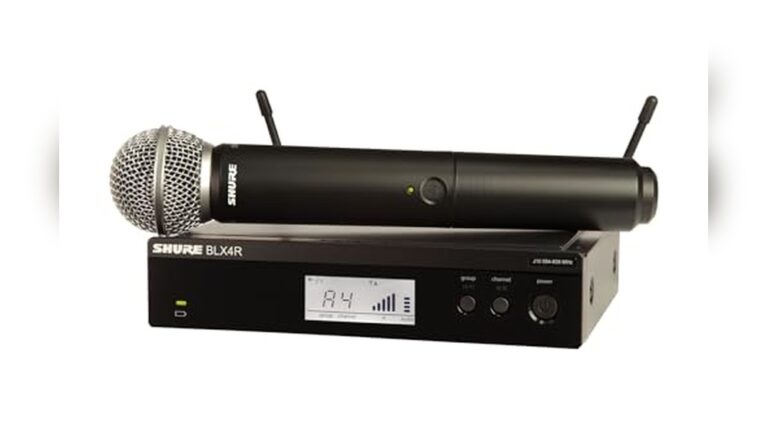
A microphone is a device that catches sounds. It changes sound waves into electric signals. These signals can then be sent to a computer, phone, or speaker.
Think of a microphone as a sound catcher. It listens to your voice or any noise around. Then it turns that sound into something a machine can understand.
How Does A Microphone Work?
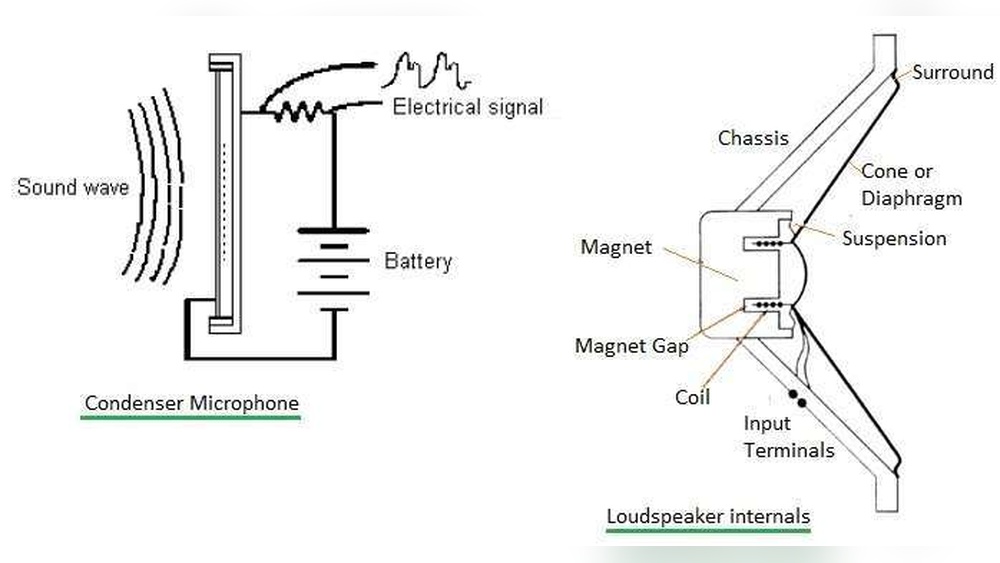
When you speak or make a sound near a microphone, the sound waves hit a small part inside it. This part is called a diaphragm. It moves back and forth with the sound waves.
These movements make an electric signal. The signal is a copy of the sound wave. It can be sent to different devices like phones or computers.
Types Of Microphones
- Dynamic Microphones: Tough and simple. Good for loud sounds.
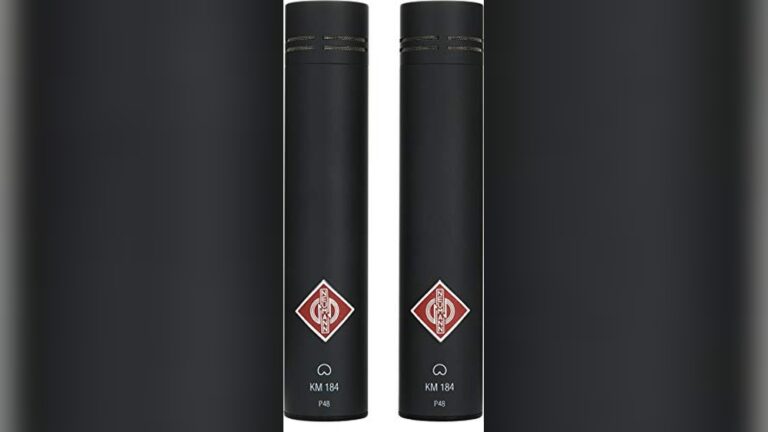
- Condenser Microphones: Sensitive and clear. Used in studios.
- Ribbon Microphones: Old style, soft sound. Used for music.
What Is a Loudspeaker?
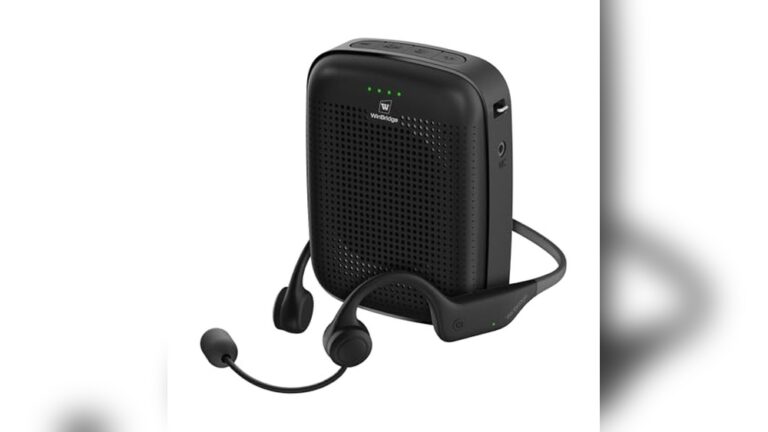
A loudspeaker does the opposite of a microphone. It takes electric signals and turns them into sound. This is how you hear music from a phone or TV.
Think of a loudspeaker as a sound maker. It makes the sounds you want to hear louder and clear.
How Does A Loudspeaker Work?
The electric signals move a part called a cone. The cone pushes air to make sound waves. These waves travel to your ears as sound.
The louder the electric signal, the louder the sound. Loudspeakers can make sounds from soft to very loud.
Types Of Loudspeakers
- Dynamic Speakers: Most common type. Used in homes and cars.
- Electrostatic Speakers: Clear sound but expensive.
- Horn Speakers: Very loud. Used outdoors or in stadiums.
Microphone Vs Loudspeaker: Key Differences
| Feature | Microphone | Loudspeaker |
|---|---|---|
| Main Function | Captures sound and changes it to electric signals | Changes electric signals back to sound waves |
| Direction of Sound | Sound waves → Electric signal | Electric signal → Sound waves |
| Use | Recording, phone calls, voice chat | Playing music, announcements, sound systems |
| Parts | Diaphragm, coil, magnet | Cone, coil, magnet |
| Output | Electric signal | Sound wave |
Why Are Both Important?
Microphones and loudspeakers work together. One captures sound. The other plays it back. Without microphones, machines cannot listen. Without loudspeakers, machines cannot talk.
For example, when you talk on a phone, the microphone picks your voice. The phone sends the electric signal to the other phone. The loudspeaker there turns it back to sound.
This teamwork makes communication easy. It helps us listen to music, watch movies, or talk with friends far away.

Credit: www.wvbandcoms.com
Common Uses of Microphones
- Making phone calls
- Recording songs and podcasts
- Video calls and meetings
- Speech recognition devices
Common Uses of Loudspeakers
- Playing music and movies
- Public announcements
- TV and radio sound
- Car audio systems
Simple Comparison
Here is a quick way to remember the difference:
- Microphone: Listens to sound.
- Loudspeaker: Makes sound loud.
They are like ears and mouth for machines.
How to Choose Between Them
Do you want to record or capture sound? Choose a microphone.
Do you want to play or hear sound? Choose a loudspeaker.
Sometimes, you need both to complete a system.
Fun Facts
- The first microphone was invented in 1876.
- Loudspeakers can be very small or very large.
- Microphones are used in space to talk to astronauts.
- Loudspeakers help in concerts to reach thousands of people.
Summary
Microphones and loudspeakers are different but linked. One takes sound in. The other sends sound out.
Microphones turn sounds into electric signals. Loudspeakers turn electric signals back into sounds.
They work together in many devices we use every day.
Now you know what makes them different and why both are important.
Frequently Asked Questions
What Is The Main Difference Between A Microphone And Loudspeaker?
A microphone captures sound, while a loudspeaker plays sound out loud.
How Do Microphones Convert Sound Into Electrical Signals?
Microphones change sound waves into electrical signals for recording or transmitting.
Why Do Loudspeakers Need Amplifiers To Work?
Amplifiers boost signals so loudspeakers can produce clear, strong sound.
Can A Microphone Work As A Loudspeaker?
No, microphones cannot play sound; they only record or detect sound.