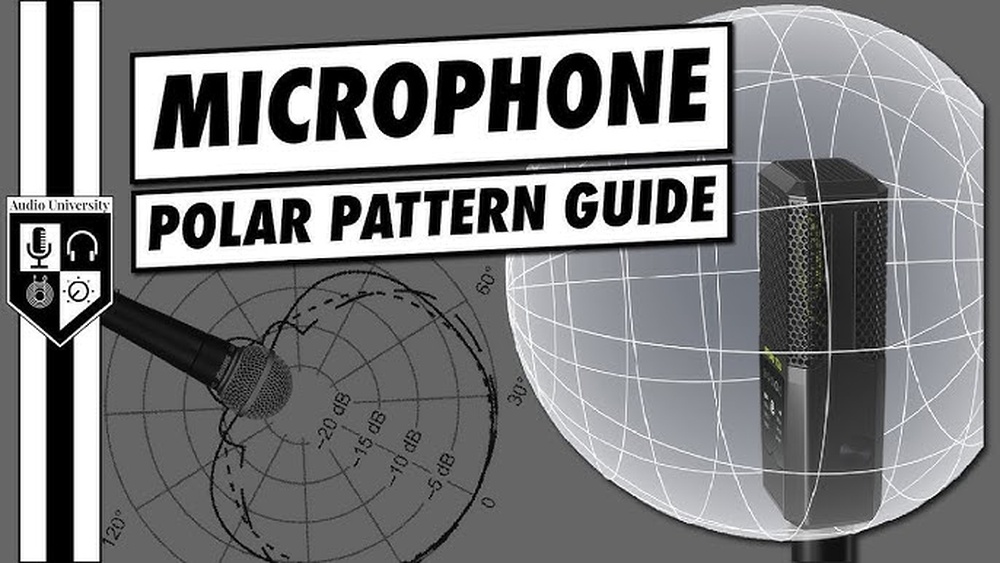
How Do Microphone Polar Patterns Work?
Microphones are important tools for many people. They help us record sound. But not all microphones hear sound the same way. This is because of something called microphone polar patterns. These patterns tell us where the microphone listens best. Understanding them helps you get better sound recordings.
What Is a Microphone Polar Pattern?
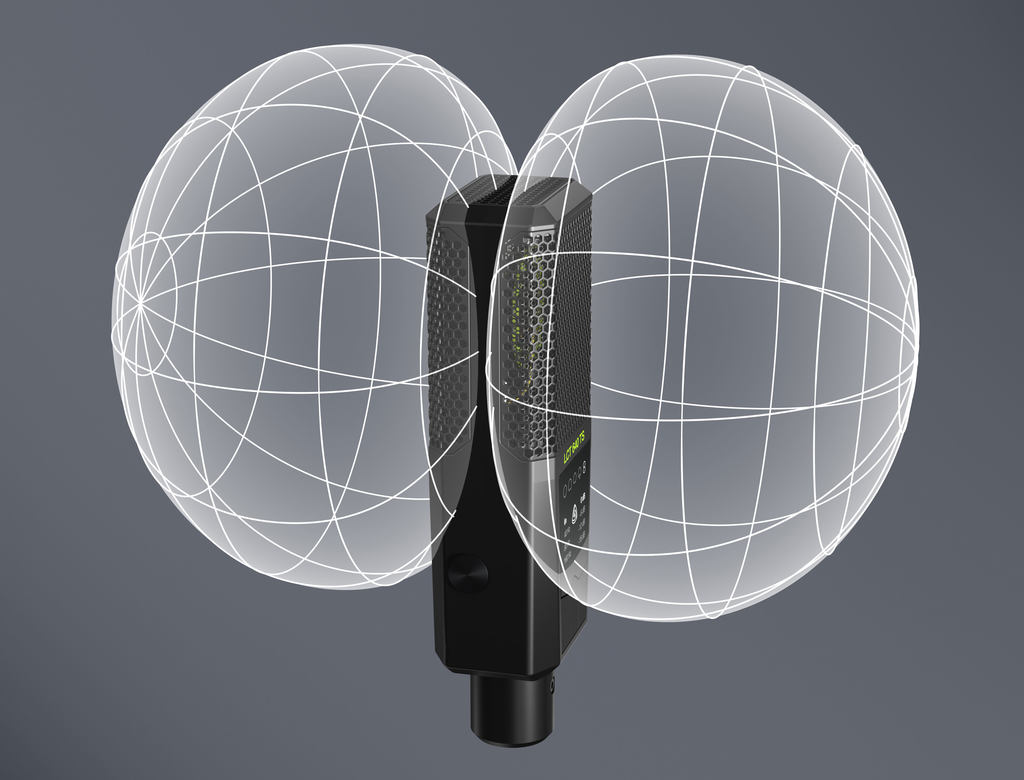
A microphone polar pattern shows the direction where a mic picks up sound. It is like a map. This map tells us how loud sound is from different angles around the mic. Some mics listen to sound from all around. Others only listen to sound from one side or a small area.
Think about a flashlight beam. Some flashlights shine light everywhere. Some shine only forward. Microphones work in a similar way. Their polar pattern shows where the “sound beam” goes.
Why Are Polar Patterns Important?
- Control what you record: You can choose a mic that picks up sound only from the source you want.
- Reduce noise: If the mic ignores sounds from other directions, you get clearer audio.
- Improve sound quality: The right polar pattern helps make your recordings sound good.
Credit: www.lewitt-audio.com
Types of Microphone Polar Patterns
There are many polar patterns. The most common ones are:
| Polar Pattern | Description | Best Use |
|---|---|---|
| Omnidirectional | Heard equally from all directions. | Group recordings, room sound, ambiance. |
| Cardioid | Heart-shaped pattern. Picks sound mainly from the front. | Vocals, speeches, solo instruments. |
| Supercardioid | Narrower front focus than cardioid. Some sound from rear. | Live performances, noisy environments. |
| Hypercardioid | Even narrower front area than supercardioid. More rear pickup. | Film, TV, stage work. |
| Bidirectional (Figure-8) | Picks sound from front and back. Rejects sides. | Interviews, duets, mid-side recording. |
| Lobar | Very narrow front pickup. Rejects almost all other directions. | Broadcasting, spot miking. |
How Do These Patterns Work?
Microphones use small parts inside called diaphragms. When sound waves hit them, they move. The way these diaphragms move depends on the mic design. This creates the polar pattern.
Each pattern controls how much sound comes from different sides. Here is how some of them work:
Omnidirectional Pattern
This mic listens to sound from every direction equally. It hears behind, in front, and on the sides. It is good when you want to capture the whole room or many people.
Cardioid Pattern
The cardioid pattern gets sound mostly from the front. It blocks sound from behind. It looks like a heart shape on the sound map. This pattern is common for singing and talking.
Supercardioid And Hypercardioid Patterns
These are like cardioid but more focused. They pick sound from the front better. But they also hear a little from the back. These patterns are useful in loud places.
Bidirectional Pattern
It picks up sound from the front and back. But the sides are quiet. It is good when two people talk face to face.
Lobar Pattern
This pattern is very narrow. It listens only to sound straight in front. It rejects almost everything else. It is used when you want to hear just one source far away.
Visualizing Polar Patterns
Polar patterns are often shown in charts. These charts look like circles or shapes around the mic. They show how loud sound is from each angle.
Here is a simple way to understand it:
- The center of the circle is the mic.
- The shape around shows how far sound reaches.
- A bigger shape means louder sound from that direction.
Choosing the Right Polar Pattern
Choosing the best mic depends on your needs. Think about the place and sound source.
- For a single singer: Use a cardioid mic. It blocks noise behind.
- For a group: Use an omnidirectional mic. It picks all voices.
- For noisy places: Use supercardioid or hypercardioid. They focus on the source.
- For interviews: Use bidirectional. It picks both speakers.
How Polar Patterns Affect Sound Quality
Polar patterns change how clear your sound is. They affect background noise and echo.
For example, a cardioid mic reduces sound from behind. This helps when there is noise near the mic. An omnidirectional mic will pick that noise too. So, it may sound less clear.
Also, some rooms create echoes. A mic with the right pattern can reduce those echoes. It listens less to reflected sound from walls.
Using Multiple Microphones with Different Patterns
Sometimes, you need to use more than one mic. Each mic can have a different pattern. This helps capture sound better.
Example:
- Use a cardioid mic for the singer.
- Use an omnidirectional mic for the room sound.
This way, you get clear voice and natural background sound.
How to Test Your Microphone Polar Pattern
You can test your mic’s polar pattern at home:
- Put your microphone on a stand in a quiet room.
- Play or speak from different directions around the mic.
- Listen to what the mic picks up.
- Move around and notice when sound is loudest or quietest.
This simple test helps you understand how your mic hears sound.
Summary of Key Points
- Microphone polar patterns show where a mic listens best.
- Common patterns are omnidirectional, cardioid, bidirectional, and more.
- Each pattern is good for different situations.
- Choosing the right pattern improves sound quality.
- You can test patterns by moving around the mic.

Credit: www.youtube.com
Final Thoughts
Understanding microphone polar patterns helps you record better sound. You can reduce unwanted noise. You can pick up the sound you want clearly.
Next time you use a microphone, think about its pattern. It will help you get the best results. Sound recording can be simple if you know how mics listen.
Frequently Asked Questions
What Are Microphone Polar Patterns?
Microphone polar patterns show how mics pick up sound from different directions.
Why Do Polar Patterns Matter For Microphones?
They affect sound quality by controlling which sounds the mic captures best.
How Does A Cardioid Pattern Work?
Cardioid mics pick sound mainly from the front, reducing noise from behind.
What Is An Omnidirectional Microphone Pattern?
Omnidirectional mics capture sound equally from all directions around the mic.