Can Microphone Cables Be Used for Speakers
Many people ask if microphone cables can be used for speakers. It is a good question. Both cables carry sound signals. But, are they the same? Can one cable work for both devices? Let’s find out.
Credit: www.kentfaith.com
What Are Microphone Cables?
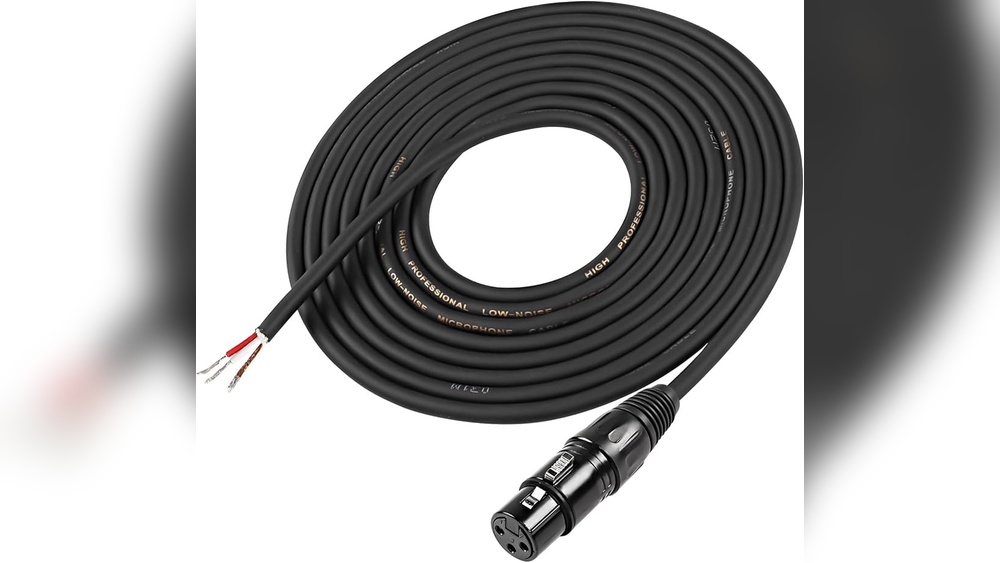
Microphone cables carry sound from a microphone to a device. This device can be a mixer, amplifier, or recorder. These cables are made to carry weak sound signals. These signals are small and need care.
Most microphone cables use XLR connectors. These connectors have three pins. The design helps stop noise. It keeps the sound clean and clear.
Key Features Of Microphone Cables
- Carry low-level audio signals
- Have good shielding to stop noise
- Use XLR connectors mostly
- Use balanced wiring to reduce interference
What Are Speaker Cables?
Speaker cables send sound from an amplifier to a speaker. The sound is now strong. The cables carry much more power than microphone cables.
Speaker cables are thicker. They need to handle high power without losing sound. They usually have two wires inside. These wires carry the positive and negative signals.
Key Features Of Speaker Cables
- Carry high-power audio signals
- Have thicker wires to handle power
- Use two-wire design (positive and negative)
- Usually have bare wire ends, banana plugs, or spade connectors
Are Microphone Cables and Speaker Cables the Same?
At first, they look similar. Both carry sound signals. But they are not the same. Microphone cables carry low-power sound. Speaker cables carry high-power sound.
Microphone cables have thin wires. Speaker cables have thick wires. Thin wires cannot handle strong power. If you use microphone cables for speakers, problems may happen.
Summary Table: Microphone Cables Vs Speaker Cables
| Feature | Microphone Cables | Speaker Cables |
|---|---|---|
| Signal Type | Low-level audio signals | High-power audio signals |
| Wire Thickness | Thin wires | Thick wires |
| Connectors | XLR connectors | Bare wire, banana plugs, spade connectors |
| Wiring | Balanced wiring (3 pins) | Two-wire design (positive and negative) |
| Purpose | Carry weak microphone signals | Carry strong speaker signals |
What Happens If You Use Microphone Cables for Speakers?
Using microphone cables for speakers can cause problems. The wires are thin. Thin wires heat up when strong power passes through.
This heat can damage the cable. The sound quality may drop. The cable can break or cause a short circuit. This can hurt your audio system.
Also, microphone cables have balanced wiring. Speakers need simple two-wire wiring. Using a balanced cable may confuse the amplifier and speaker.
In short, microphone cables are not made for speakers. They cannot handle the power needed.
Can Speaker Cables Be Used for Microphones?
What about the other way around? Can speaker cables work for microphones?
Speaker cables have thick wires. Using them for microphones is not a problem electrically. But, speaker cables do not have balanced wiring or XLR connectors.
Balanced wiring helps stop noise in microphones. Without it, you may hear hum or interference. Speaker cables do not offer this.
You could use speaker cables with adapters. But, the sound may be noisy or weak. So, it is not a good choice.
Why Balanced Wiring Matters for Microphones
Microphones pick up very weak sounds. Balanced wiring helps keep these sounds clean.
Balanced cables have two signal wires and one ground wire. They carry the sound twice. One wire carries the sound normally. The other carries the sound inverted.
Noise picked up along the cable is canceled out. This is called noise rejection. It makes the microphone sound clear.
Speaker cables do not have this design. They carry sound in one wire only. Noise may be loud and annoying.

Credit: www.amazon.com
Different Connectors for Microphones and Speakers
Microphone cables usually end with XLR connectors. These connectors lock in place. They are strong and reliable.
Speaker cables often have bare wire ends or banana plugs. They connect directly to speaker terminals.
Using the wrong cable means you may not connect devices properly. You need the right connectors for each device.
When Can You Use Microphone Cables for Speakers?
In most cases, microphone cables should not be used for speakers. But, there are rare exceptions.
For small, low-power speakers, you might get away with it. But it is not safe or recommended.
For example, some powered speakers have XLR inputs. These inputs use balanced cables. The cable inside may look like a microphone cable.
But remember, the power from the amplifier to the speaker still needs proper speaker cables. The microphone cable only carries the audio signal, not power.
Tips to Choose the Right Cable
Here are some tips to pick the right cable:
- Check your devices’ connectors.
- Use microphone cables for microphones only.
- Use speaker cables for speakers only.
- Look at the wire thickness and type.
- Choose balanced cables for microphones.
- Choose thick, two-wire cables for speakers.
Frequently Asked Questions
Can Microphone Cables Carry Speaker Signals Effectively?
Microphone cables can carry speaker signals but may cause sound loss or interference due to design differences.
What Happens If I Use A Mic Cable For Speakers?
Using a mic cable for speakers may reduce audio quality and cause noise or signal drop.
Are Microphone And Speaker Cables Interchangeable?
Mic and speaker cables are not fully interchangeable; each is made for different signal types.
Why Are Speaker Cables Thicker Than Mic Cables?
Speaker cables are thicker to handle higher power without overheating or losing sound quality.
Conclusion
Can microphone cables be used for speakers? The simple answer is no.
Microphone cables carry weak signals. They have thin wires and balanced wiring. Speaker cables carry strong power. They have thick wires and simple wiring.
Using microphone cables for speakers can cause damage and poor sound. It is best to use the right cable for each device.
Always check your equipment and cable needs before connecting. This keeps your sound clear and your system safe.
Remember, the right cable means better sound and longer equipment life.