Which Microphone is Best for Singing?
Singing is a beautiful way to express yourself. But if you want to record or perform, you need a good microphone. Choosing the right microphone can be tricky. There are many types, brands, and prices. This guide will help you find the best microphone for singing. It will explain types, features, and what to look for. By the end, you will know which microphone fits your needs.
Why Does the Microphone Matter for Singing?
A microphone catches your voice and sends it to speakers or a recording device. A good microphone makes your voice sound clear and nice. A bad one can make your voice sound weak or noisy. For singers, the microphone is very important. It helps show your true voice. It also keeps unwanted sounds away.
Think about this: if you sing your favorite song, you want it to sound good. A microphone helps you do that. So, choosing the right microphone is the first step to good singing.

Credit: musiciannerd.com
Types of Microphones for Singing
There are two main types of microphones for singing:
- Dynamic Microphones
- Condenser Microphones
Dynamic Microphones
Dynamic microphones are tough and easy to use. They are good for live shows. These microphones handle loud sounds well. They do not need extra power. This makes them a popular choice for singers on stage.
However, dynamic microphones may not catch all the small details of your voice. They are less sensitive than condenser microphones. This means your voice might sound less clear when recorded in a studio.
Condenser Microphones
Condenser microphones are more sensitive. They can catch more details and high notes. This makes them great for recording in a quiet place. Most studios use condenser microphones for singing.
But condenser mics need power to work. This power is called phantom power. It comes from the sound system or audio interface. Also, these microphones are more fragile than dynamic ones. They need careful handling.
What Features to Look for in a Microphone for Singing?
When choosing a microphone, you should consider some features. These features help you pick the best one for your voice and use.
1. Frequency Response
Frequency response is the range of sounds the microphone can pick. Human voices usually range from about 80 Hz to 1200 Hz. A good microphone should cover this range well. Some microphones boost certain parts of the voice. This helps your singing sound better.
2. Polar Pattern
The polar pattern shows which directions the microphone hears sound from. For singing, the most common pattern is cardioid. It means the mic picks sound mostly from the front. It blocks sounds from the sides and back. This helps reduce noise and feedback.
3. Sensitivity
Sensitivity means how well the microphone picks up quiet sounds. Condenser microphones are usually more sensitive. Dynamic microphones are less sensitive but handle loud sounds better.
4. Durability
If you sing live or travel a lot, choose a strong microphone. Dynamic microphones are usually more durable. Condenser microphones need more care.
5. Price
Microphones come in many price ranges. You don’t need the most expensive one. There are good microphones for beginners and hobby singers at lower prices. Think about what you need and how much you can spend.
Best Microphones for Singing in Different Situations
Different microphones work better for different uses. Let’s look at the best choices for live singing, home recording, and studio recording.
1. Best Microphone For Live Singing
For live shows, durability and feedback control are key. Dynamic microphones are the best for this. They handle loud volumes and rough use well.
Popular choice: A well-known dynamic microphone is the Shure SM58. It is famous for live singing. It has a cardioid pattern and clear sound. Many singers and professionals use it worldwide.
2. Best Microphone For Home Recording
At home, you want a microphone that captures detail. A condenser microphone is a great choice. It can pick up the soft and clear parts of your voice.
Popular choice: The Audio-Technica AT2020 is a good condenser mic. It is affordable and records good sound quality. It works well for beginners and home studios.
3. Best Microphone For Studio Recording
In a professional studio, singers need very clear and detailed sound. High-quality condenser microphones are used here. They catch every part of the voice and make it sound natural.
Popular choice: The Neumann U87 is famous in studios. It is expensive but known for excellent sound. Many top singers use it.
How to Use a Microphone for Singing
Having a good microphone is not enough. You need to know how to use it well. Here are some tips:
- Hold the microphone correctly. Keep it about 6 to 12 inches from your mouth.
- Sing straight into the front. This is where the microphone picks sound best.
- Avoid touching the microphone head. It can make noise.
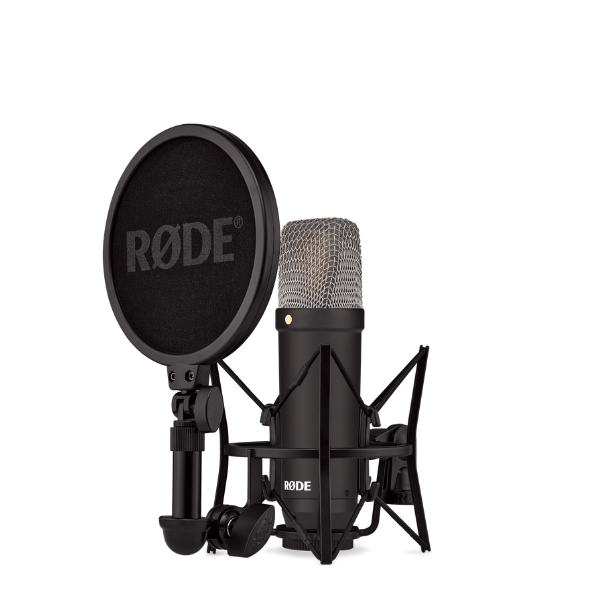
- Use a pop filter. It reduces ‘p’ and ‘b’ sounds that cause pops.
- Keep the room quiet. Background noise can spoil your recording.
Credit: www.musicradar.com
Summary: Which Microphone is Best for Singing?
Choosing the best microphone depends on your needs.
| Use | Microphone Type | Features | Example Model |
|---|---|---|---|
| Live Singing | Dynamic | Durable, handles loud sound, cardioid pattern | Shure SM58 |
| Home Recording | Condenser | Sensitive, clear sound, affordable | Audio-Technica AT2020 |
| Studio Recording | Condenser | High quality, detailed, needs phantom power | Neumann U87 |
Think about where you will sing. Then choose a microphone that fits your voice and budget. If you perform live, a dynamic mic is a safe choice. If you record at home, try a condenser mic. For professional work, studios use high-end condenser mics.
Final Thoughts
Singing is your art. The microphone is your tool. Pick one that helps your voice shine. Remember, practice and good technique also matter. A good microphone will help you sound better. But your voice is what truly matters.
Take your time to try different microphones if you can. Listen to how your voice sounds through each one. This will help you find the best fit. Enjoy singing and sharing your voice with the world.
Frequently Asked Questions
What Type Of Microphone Suits Singing Best?
Condenser microphones capture clear, detailed vocals, making them ideal for singing.
Is A Dynamic Mic Good For Live Singing?
Yes, dynamic microphones handle loud sounds well and reduce background noise.
Should I Choose Wired Or Wireless Microphones For Singing?
Wired mics offer stable sound, while wireless mics allow freedom of movement.
How Important Is Microphone Polar Pattern For Singing?
Cardioid pattern focuses on your voice and cuts out unwanted noise.