What to Look for When Buying a Microphone?
Buying a microphone can be tricky. There are many types and features. But you do not have to feel lost. This guide will help you understand what to look for. You will learn which microphone suits your needs best.
Why Do You Need a Microphone?
Before buying, think about why you need a microphone. Do you want to record music? Or maybe make videos? Are you going to talk on the computer? Each use needs a different microphone.
For example, if you want to sing or record instruments, you need a good quality microphone. If you want to talk on a call, a simple microphone can work. Knowing your purpose helps you pick the right one.

Credit: www.asmracademy.com
Types of Microphones
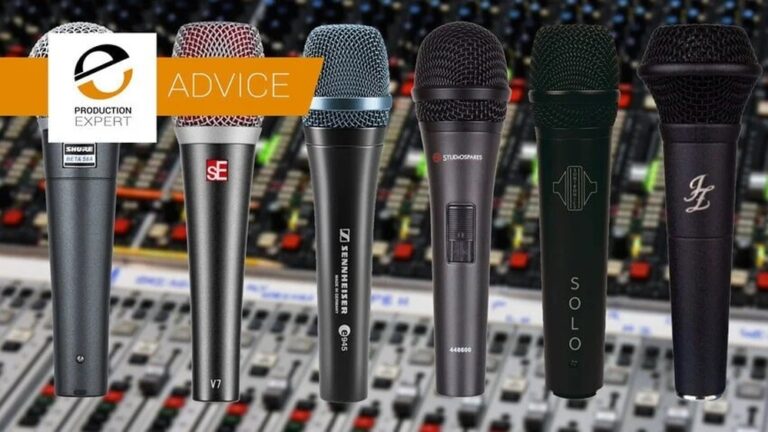
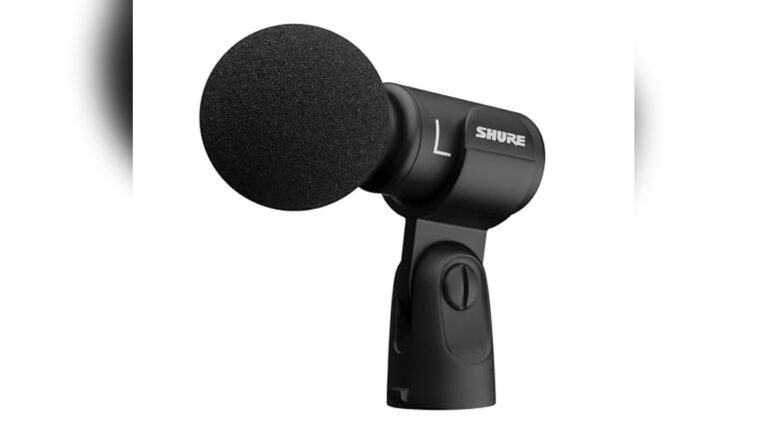
There are many types, but here are the most common ones:
- Dynamic microphones: They are strong and good for loud sounds.
- Condenser microphones: These are sensitive and pick up more detail.
- USB microphones: Easy to use with computers.
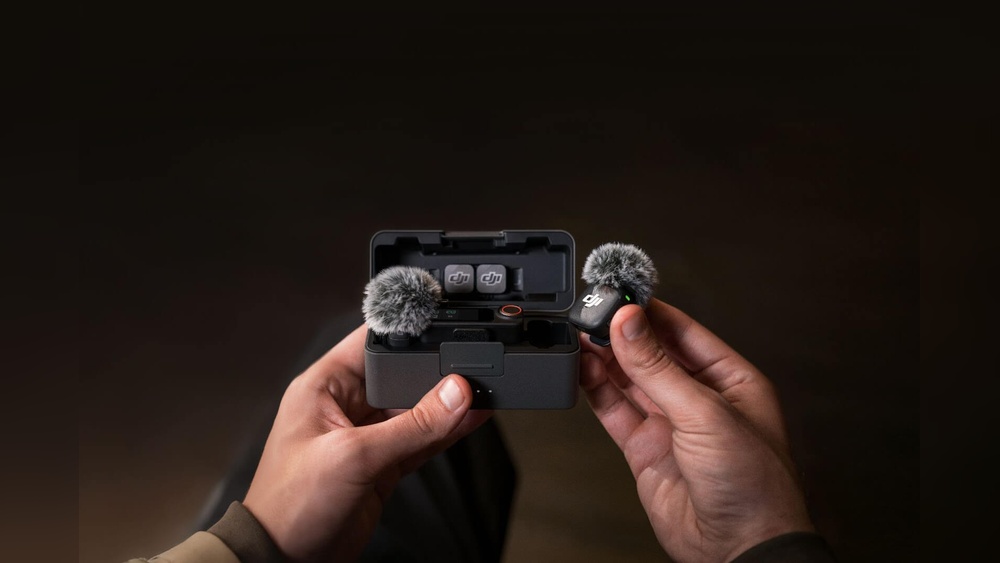
- Lavalier microphones: Small and clip on clothes.
- Shotgun microphones: Pointed and good for video recording.
Each type works best in different situations. So, think about how you will use it.
Key Features to Consider
When buying a microphone, look at these features carefully.
1. Pickup Pattern
The pickup pattern tells you where the microphone listens from. Some pick sound from all directions. Others listen only from one side.
| Pickup Pattern | Description | Best For |
|---|---|---|
| Omnidirectional | Picks sound from all directions. | Group talks, room recording. |
| Cardioid | Picks sound mainly from the front. | Singing, podcasting, streaming. |
| Bidirectional | Picks sound from front and back. | Interviews with two people. |
| Shotgun | Picks sound from a narrow direction. | Video recording, outdoors. |
Choose a pickup pattern that fits your recording style.
2. Connection Type
How will you connect the microphone to your device? There are two main options:
- USB microphones: Plug directly into your computer. No extra equipment needed.
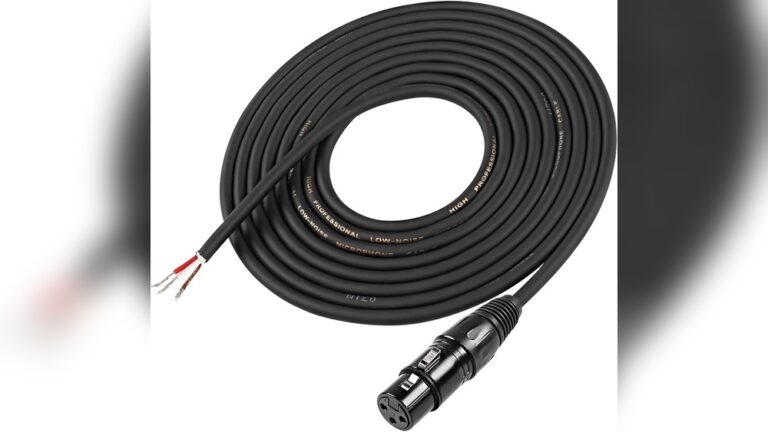
- XLR microphones: Use special cables and need an audio interface or mixer.
USB mics are easy for beginners. XLR mics give better sound but need more setup.
3. Frequency Response
This shows what sounds the microphone can pick up. It is measured in Hertz (Hz). Human voice is usually between 80 Hz and 12,000 Hz.
If you want a natural voice sound, look for a microphone with a flat frequency response. This means it records all sounds evenly.
4. Sensitivity
Sensitivity tells how well a microphone picks up quiet sounds. A more sensitive mic captures soft sounds better.
For loud environments, you might want less sensitive microphones. For quiet rooms, more sensitive microphones are better.
5. Build Quality
Good microphones last longer. Look for strong materials like metal. Avoid very cheap plastics. Also, check if the microphone comes with a stand or case.
6. Price
Microphones come in many prices. Cheap ones can be good for simple tasks. But if you want high quality, expect to pay more.
Set a budget before shopping. This helps you find the best microphone in your price range.
Credit: sundownsessionsstudio.com
Other Important Things to Check
Noise Handling
Some microphones pick up background noise. If you record in noisy places, choose a microphone that blocks noise well.
Portability
If you move a lot, a small and light microphone is better. For home studios, bigger microphones work well.
Power Source
Microphones need power to work. USB microphones get power from the computer. XLR microphones may need phantom power from an audio interface.
Check what power your microphone needs.
Accessories
Some microphones come with extra items. These can be:
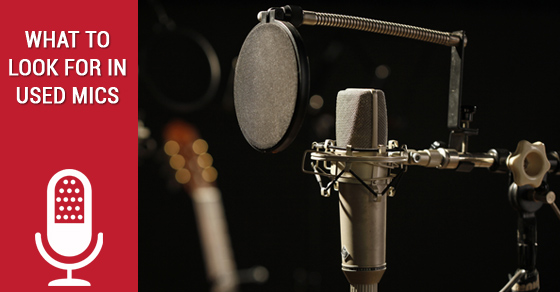
- Pop filters: reduce “p” and “b” sounds.
- Shock mounts: stop vibrations.
- Cables: important if not included.
- Carrying cases: for easy transport.
Accessories can make your recording better.
Tips for Choosing the Right Microphone
- Define your purpose: Know what you want to do with the microphone.
- Set a budget: Decide how much money you want to spend.
- Research types: Learn about different microphone types and features.
- Read reviews: See what other users say about the microphone.
- Test if possible: Try the microphone before buying.
Summary
Buying a microphone is about matching it to your needs. Think about how you will use it. Check the type, pickup pattern, connection, and quality. Keep your budget in mind. Accessories and power needs are also important.
With the right microphone, your voice or music will sound clear. Take time to pick one that fits you best.
Frequently Asked Questions
What Types Of Microphones Are Best For Beginners?
Dynamic microphones are durable and easy to use, making them perfect for beginners.
How Important Is Microphone Sensitivity For Recording?
Higher sensitivity picks up quiet sounds better, useful for vocals and acoustic instruments.
What Does Cardioid Pickup Pattern Mean?
Cardioid mics capture sound mainly from the front, reducing background noise.
Should I Choose Wired Or Wireless Microphones?
Wired mics offer stable sound, while wireless provide freedom of movement.