What are the Main Features of a Microphone?
A microphone is a tool that helps us record sounds. It changes sound waves into electrical signals. These signals can be saved, heard, or shared. But what makes a microphone good or bad? What are its main features? Let’s explore them in simple words.
Credit: www.amazon.com
1. Type of Microphone
There are different types of microphones. Each type works in a special way. The main types are:
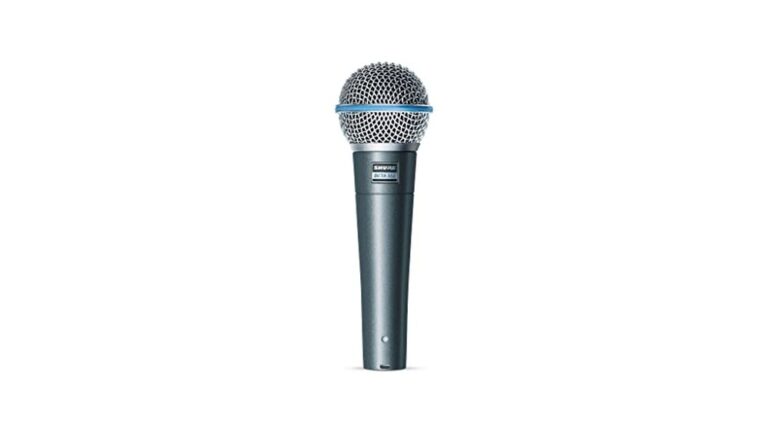
- Dynamic Microphone: Strong and good for loud sounds.
- Condenser Microphone: Sensitive and good for soft sounds.
- Ribbon Microphone: Delicate and good for warm sounds.
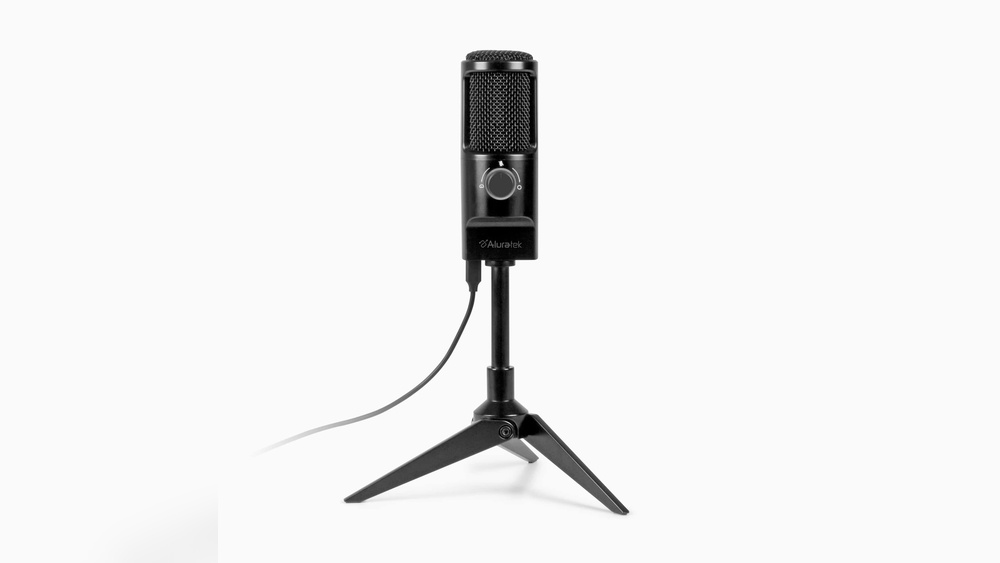
- USB Microphone: Easy to connect to computers.
Each type has its own use. Choose one depending on what you want to record.
2. Directional Pattern
The directional pattern tells us where the microphone listens best. It is also called “polar pattern.” There are three main patterns:
| Pattern | Description | Best Use |
|---|---|---|
| Cardioid | Listens mostly in front. | Speeches, singing, podcasts. |
| Omnidirectional | Listens equally all around. | Group talks, ambient sounds. |
| Bidirectional | Listens from front and back. | Interviews, duets. |
Knowing the pattern helps pick the right microphone for your need.
3. Frequency Response
Frequency response means the range of sounds a microphone can hear. It is measured in Hertz (Hz).
Humans hear sounds between 20 Hz and 20,000 Hz. Good microphones cover a wide range.
Some microphones hear only low sounds (bass). Others hear high sounds (treble). A flat frequency response means the microphone hears all sounds equally.
Choose a microphone with a frequency response that fits your recording.
4. Sensitivity
Sensitivity tells how well a microphone picks up quiet sounds. A sensitive microphone hears soft voices well.
But too much sensitivity can catch unwanted noise. Less sensitive microphones work better in noisy places.
Think about where you will use the microphone before choosing sensitivity.
5. Impedance
Impedance shows how much the microphone resists the electrical signal.
It is measured in Ohms (Ω). Microphones with low impedance (less than 600 Ω) work well with many devices.
High impedance microphones may need special equipment.
Check impedance to make sure the microphone fits your devices.
6. Maximum Sound Pressure Level (SPL)
Maximum SPL is the loudest sound a microphone can handle without distortion.
It is measured in decibels (dB). High SPL microphones can record loud sounds like drums or engines.
Low SPL microphones can get damaged if sound is too loud.
Pick a microphone with a maximum SPL that matches your needs.
7. Connector Type
Microphones have different connectors to plug into devices.
- XLR Connector: Used by professional microphones. Strong and reliable.
- USB Connector: Connects directly to computers. Easy to use.
- 3.5mm Jack: Common for phones and small devices.
Make sure your microphone’s connector matches your equipment.
8. Power Source
Some microphones need power to work. The power can come from different places:
- Phantom Power: Comes from mixers or audio interfaces.
- Battery Power: Microphone has a built-in battery.
- No Power Needed: Dynamic microphones often do not need power.
Know the power needs before buying a microphone.
9. Size and Shape
Microphones come in many sizes and shapes. Some are small and easy to carry. Others are big and heavy.
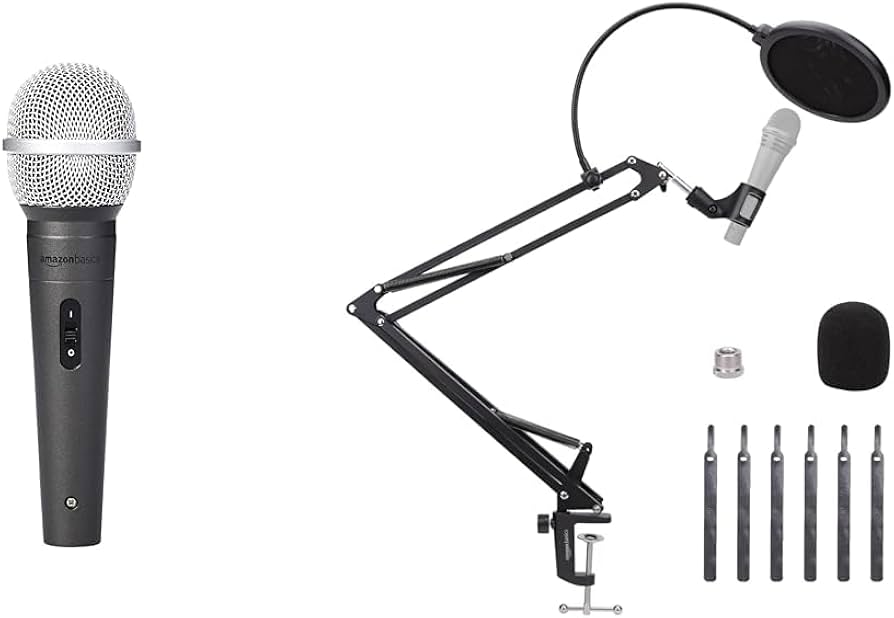
Choose a size that fits your use. For example, headset microphones are small and stay near your mouth. Studio microphones are bigger and sit on a stand.

Credit: neewer.com
10. Build Quality
Build quality means how well the microphone is made. Good build quality means it lasts longer.
Look for microphones with strong bodies and good materials. This helps if you move or travel a lot.
Summary Table of Main Features
| Feature | What It Means | Why It Matters |
|---|---|---|
| Type | How the microphone works | Choose for sound type and use |
| Directional Pattern | Where it hears best | Focus on sounds you want |
| Frequency Response | Range of sounds it picks up | Good sound quality |
| Sensitivity | How well it hears soft sounds | Pick for quiet or noisy places |
| Impedance | Electrical resistance | Match your device |
| Maximum SPL | Loudest sound it can handle | Avoid sound distortion |
| Connector Type | How it plugs in | Fits your equipment |
| Power Source | Where it gets power | Know power needs |
| Size and Shape | Physical look and feel | Comfort and use case |
| Build Quality | How well it is made | Lasts longer, better value |
Frequently Asked Questions
What Is The Primary Function Of A Microphone?
A microphone captures sound and changes it into an electrical signal for recording or amplification.
How Does Microphone Sensitivity Affect Sound Quality?
Sensitivity shows how well a microphone picks up quiet sounds and details in audio.
What Are Common Types Of Microphone Pickups?
Microphones use dynamic, condenser, or ribbon pickups to capture sound differently.
Why Is Frequency Response Important In Microphones?
Frequency response tells which sound ranges a microphone can pick up clearly.
Conclusion
A microphone is more than just a device. It has many features that matter. Knowing these features helps you pick the best microphone. Think about the type, direction, and sound range. Check sensitivity, impedance, and power needs. Don’t forget the size and build quality.
Choosing the right microphone makes your recordings sound better. It helps you share your voice clearly. Now you know what to look for in a microphone.