How to Use Body Language in a Presentation
Body language can make or break a presentation. It speaks louder than words.
Understanding how to use body language effectively can enhance your presentation. Your audience picks up on non-verbal cues, which can influence their perception of your message. Gestures, posture, and eye contact all contribute to how your message is received. Mastering these aspects can help you engage your audience and convey confidence.
This guide will explore essential body language techniques to elevate your presentation skills. Whether you’re speaking to a small group or a large crowd, these tips will help you communicate more effectively. Dive in to learn how to make your body language work for you, ensuring your message is clear and impactful.
Importance Of Body Language
Body language helps people understand you. It shows your confidence and interest. Smiling makes you look friendly. Eye contact keeps the audience engaged. Gestures can explain your points better. Standing tall shows you are sure of yourself.
Your body language can make people trust you. Open gestures show you have nothing to hide. Nodding when listening shows you care. Avoid crossing arms, it looks defensive. Firm handshakes make a good first impression. Relaxed posture indicates ease and confidence.

Credit: www.secondnature.com.au
Posture
Stand straight with your shoulders back. This shows confidence. Keep your feet shoulder-width apart. This helps you stay balanced. Avoid crossing your legs. It can make you look unsure. Keep your hands at your sides. Use them to gesture when you speak. This makes your points clear. Don’t put hands in pockets. It can seem unprofessional.
Sit up straight with your back against the chair. This shows attention. Keep your feet flat on the floor. It helps you stay grounded. Avoid slouching. It can make you look tired. Place your hands on the table or your lap. This shows you’re ready. Avoid fidgeting. It can be distracting.
Gestures
Hand movements can add emphasis to your words. They help you express your ideas more clearly. For example, open palms show honesty and openness. Pointing can direct the audience’s attention. Avoid fidgeting or putting hands in pockets. These actions can show nervousness. Try to keep your hands relaxed and natural. Practice in front of a mirror to see how your hands move. This will help make your gestures more effective.
Facial expressions convey emotions and engagement. A smile can create a positive connection with the audience. Raised eyebrows show interest or surprise. Eye contact is crucial for trust and connection. Avoid looking away too often. This can make you seem disinterested. Practice different expressions to match your message. This will make your presentation more engaging and believable.
Eye Contact
Eye contact helps you connect with the audience. Look at people often. Smile while looking at them. It makes them feel seen. They will trust you more. This is a good thing.
Keep eye contact to hold interest. Move your eyes around the room. Do not stare at one person. This keeps everyone engaged. It makes your talk lively. They will pay more attention. It shows you care.
Facial Expressions
Your face shows your feelings. A smile can make you look friendly. Raised eyebrows show surprise or interest. A frown can show confusion. Nod your head to agree. Shake your head to disagree. Your eyes tell a lot. Eye contact shows you are listening. Try to keep a calm and friendly face.
Stay away from negative expressions. Do not roll your eyes. Avoid looking bored. Do not cross your arms. Fidgeting can show nervousness. Try not to look at the floor. Keep your face relaxed. Avoid biting your lip. Do not clench your jaw. These can make you look upset. Stay calm and confident.
Credit: www.slideegg.com
Movement
Walking on the stage shows confidence. Move with purpose. Choose different spots to stand. This makes the talk engaging. Keep your back straight. Eye contact is important. Look at different people. Smile often. It helps build trust. Use hand gestures to emphasize points.
Nervous tics can distract the audience. Common tics include fidgeting, touching your face, and swaying. Be aware of them. Take deep breaths. Pause if needed. Practice helps reduce these tics. Stay calm and focused.
Vocal Techniques
Your tone of voice shows your feelings. A calm tone helps the audience feel relaxed. An excited tone makes them interested. Match your tone with the message. Use a friendly tone to engage the listeners. Avoid a monotone voice; it sounds boring.
Pacing is how fast or slow you speak. Speak slowly to explain ideas. Speed up to show excitement. Pause between points. This gives time to understand. Don’t rush your words. It can confuse people. Control your pace for clear communication.

Credit: simplyamazingtraining.co.uk
Practice And Feedback
Use a mirror to watch yourself speak. Notice your body language. Practice your gestures and facial expressions. Record yourself and watch the playback. Identify areas for improvement. Stand up while practicing to mimic real presentation conditions.
Use a timer to manage your speech length. Practice in front of friends or family. Ask them for feedback on your body movements. Try to make eye contact with your imaginary audience. Repeat these steps until you feel confident.
Ask a trusted friend for their honest opinion. Request feedback on your gestures, posture, and facial expressions. Consider joining a public speaking group. They can offer helpful advice. Take notes on the feedback you receive. Use it to make improvements.
Record your practice sessions. Compare them to earlier recordings. Look for progress in your body language. Stay open to suggestions. Constructive criticism helps you grow. Aim to get better with each practice.
Frequently Asked Questions
How Can Body Language Improve A Presentation?
Body language can enhance your presentation by making you appear more confident and engaging. It helps in emphasizing points and connecting with the audience.
What Are Key Body Language Tips For Presenters?
Maintain eye contact, use open gestures, and stand upright. These actions help convey confidence and keep the audience engaged.
How Important Is Facial Expression In A Presentation?
Facial expressions are crucial as they convey emotions and reactions. They help build a connection with the audience.
How Does Posture Affect A Presentation?
Good posture exudes confidence and authority. It helps you appear more professional and keeps the audience attentive.
Conclusion
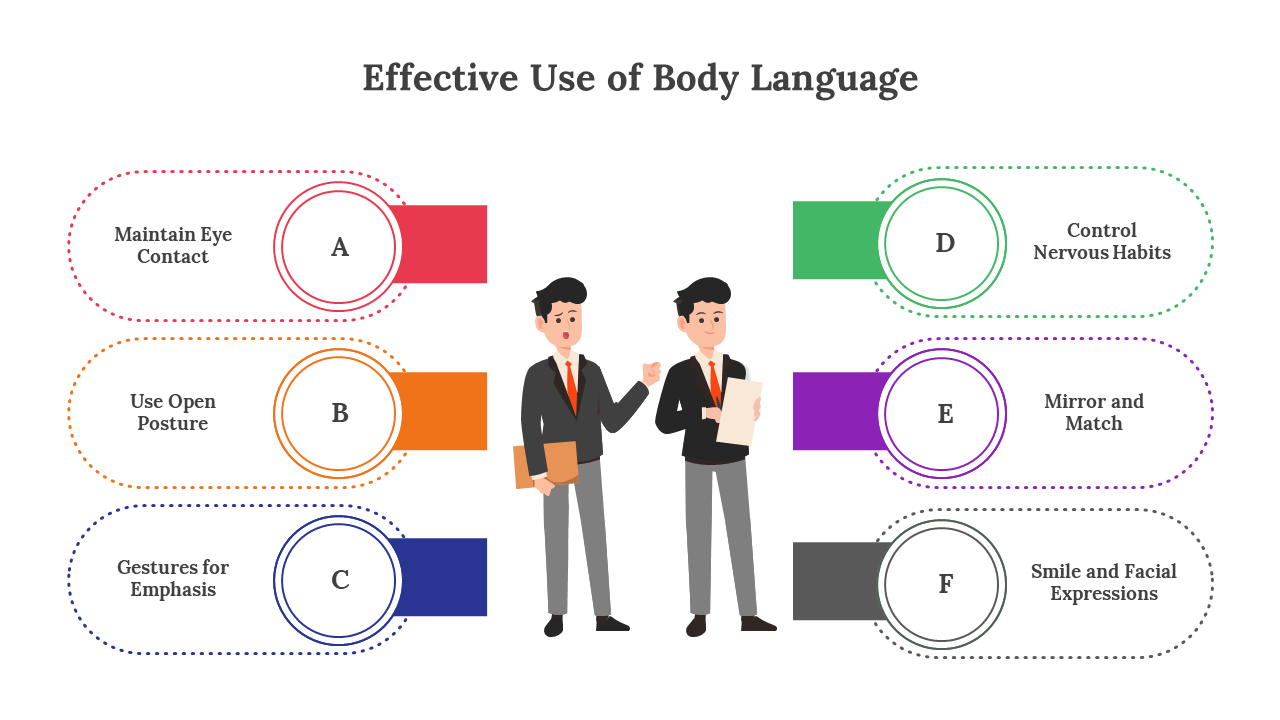
Practicing good body language can boost your presentation success. Maintain eye contact with your audience. Use gestures to emphasize key points. Stand confidently to convey authority. Smile to create a friendly atmosphere. Remember, your body speaks louder than words. By mastering these techniques, you can engage your audience effectively.
Practice regularly to improve your skills. Confident body language will make your message clear and memorable.