How To Combat Miscommunication In A Relationship: Effective Tips
Miscommunication can strain any relationship. It leads to misunderstandings and conflicts.
Addressing this issue is crucial for a healthy partnership. In relationships, clear communication builds trust and understanding. But, miscommunication often sneaks in, causing frustration. It can stem from assumptions, lack of attention, or differing communication styles. Recognizing the signs is the first step.
The impact of miscommunication can be significant. It might create distance between partners. Over time, this distance can grow, causing emotional disconnect. By addressing miscommunication, couples strengthen their bond. They foster a supportive environment. This not only enhances emotional intimacy but also reduces conflicts. Understanding each other’s needs and viewpoints becomes easier. In this blog, we will explore effective strategies to improve communication in relationships. Let’s learn how to bridge the gap and nurture a deeper connection.
Identify Common Miscommunication Patterns
Miscommunication in relationships often leads to unnecessary conflicts. It creates distance and misunderstanding. Identifying common patterns can help improve communication. Recognizing these patterns ensures a healthier relationship. Start by understanding typical miscommunication scenarios.
Recognize Emotional Triggers
Emotional triggers often lead to miscommunication. They cause reactions without thinking. Identify what triggers these emotions in your partner. It might be certain words or actions. Recognizing these helps in managing responses. Discuss these triggers openly with your partner.
Spot Frequent Misunderstandings
Frequent misunderstandings occur in many relationships. They arise from assumptions and lack of clarity. Notice when misunderstandings happen. Is it during complex discussions? Or simple daily routines? Understanding these moments helps in addressing the root cause. Open communication can clear confusion. Ask clarifying questions. It reduces assumptions.
Enhance Listening Skills
Miscommunication can create tension in relationships. Enhancing listening skills is crucial to understanding each other better. Listening is not just about hearing words. It involves grasping emotions and intentions. A good listener makes others feel heard and valued. Developing effective listening skills nurtures empathy and connection.
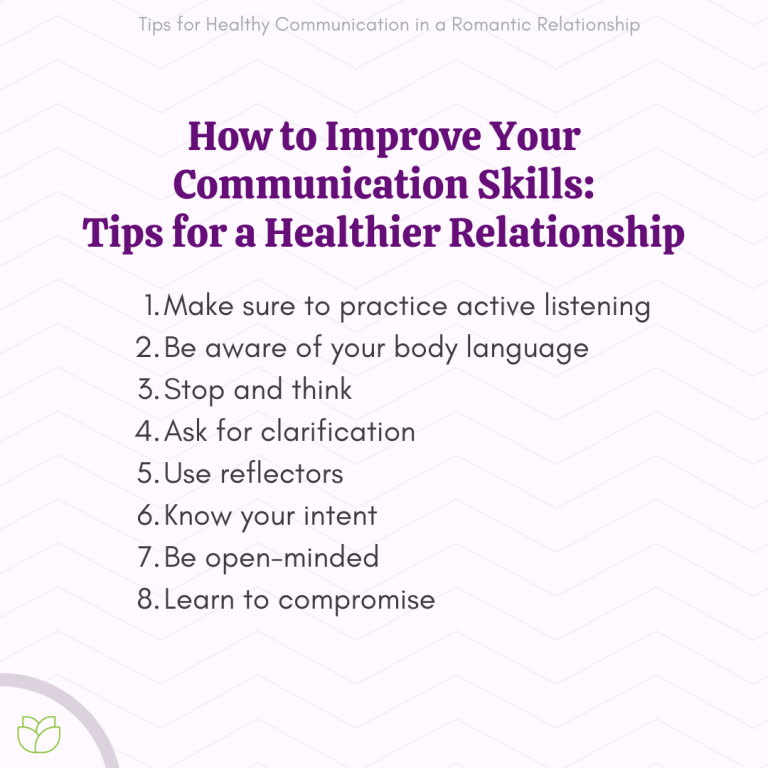
Practice Active Listening
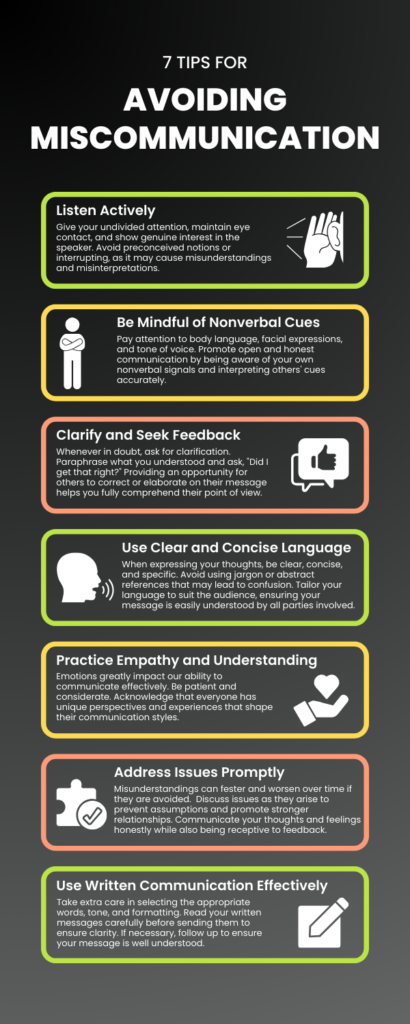
Active listening is about engaging fully with the speaker. Focus on their words and expressions. Show interest through eye contact and nodding. Respond thoughtfully to demonstrate understanding. Ask questions to clarify any doubts. This approach builds trust and openness.
Avoid Interruptions
Interruptions can disrupt the flow of conversation. Let the speaker finish their thoughts. Give them time to express themselves completely. Avoid jumping in with your own ideas. This shows respect and patience. Waiting your turn encourages deeper conversations.
Use Clear And Direct Language
Miscommunication can strain any relationship. Using clear and direct language helps. It ensures both partners understand each other. This reduces misunderstandings and builds trust. Simple words and sentences make a difference.
Avoid Ambiguity
Ambiguity confuses and misleads. Avoid vague terms in conversations. Be specific with your words. Instead of saying “later,” specify a time. Use precise words to convey your thoughts. Clarity prevents unnecessary arguments.
Implement ‘i’ Statements
‘I’ statements express personal feelings. They reduce blame and defensiveness. Say “I feel upset” rather than “You upset me.” This approach focuses on your emotions. It encourages open dialogue and empathy.

Credit: www.marriage.com
Establish Regular Check-ins
Establishing regular check-ins in a relationship is crucial. It helps prevent miscommunication. This practice fosters a healthy dialogue between partners. Consistent communication builds trust and understanding. It allows both parties to express their needs and concerns. Check-ins serve as a dedicated time to connect. They ensure both partners are on the same page.
Schedule Communication Time
Set aside specific times for communication. Treat these times as important appointments. Regularly scheduled talks help prioritize your relationship. They create a safe space for open dialogue. Use this time to discuss important topics. This practice reduces the chances of misunderstandings. Consistency reinforces the importance of communication.
Set Goals For Conversations
Define clear objectives before each conversation. Know what you want to achieve. This helps keep discussions focused. Both partners should have a say in setting goals. Each conversation should have a purpose. It could be resolving a conflict or sharing feelings. Goals ensure productive communication. They help avoid wandering off-topic.
Learn Conflict Resolution Strategies
Miscommunication can be a silent killer in relationships, often leading to unnecessary conflicts. Learning conflict resolution strategies is essential for building a strong and lasting bond. These strategies can help you navigate disagreements more effectively, ensuring both parties feel heard and valued. Let’s dive into two key areas that can transform your approach to resolving conflicts.
Embrace Constructive Criticism
Constructive criticism is not about pointing fingers. It’s about offering feedback in a way that encourages growth and understanding. Imagine your partner expressing their concerns calmly. How would that change the dynamic between you?
Start by acknowledging your partner’s perspective. Use phrases like “I understand where you’re coming from” to show empathy. This simple act can soften the atmosphere and open the door to productive dialogue.
Also, focus on specific behaviors rather than personal attributes. Saying “I feel upset when you don’t help with chores” is more constructive than “You’re so lazy.” This approach keeps the discussion on actions, making it easier to find solutions.
Adopt Problem-solving Techniques
Problem-solving techniques are powerful tools for any relationship. They enable you to tackle issues head-on, turning challenges into opportunities for growth. Picture a time when you faced a tough decision together. How did you approach it?
One effective method is brainstorming solutions together. Create a list of possible ways to address the issue at hand. This collaborative effort not only fosters teamwork but also highlights each other’s strengths.
Prioritize solutions that benefit both parties. For instance, if you’re arguing over weekend plans, find a compromise that allows each person to enjoy their favorite activities. This ensures that both feel satisfied and appreciated.
It’s also crucial to evaluate the outcome. After implementing a solution, discuss its effectiveness. Ask each other, “Did this work for us?” This reflection helps refine your problem-solving approach for future issues.
Conflict resolution isn’t just about fixing problems; it’s about growing together. How will you apply these strategies in your relationship? Remember, open communication and understanding are your strongest allies.
Credit: blog.tcea.org

Credit: www.growingself.com
Frequently Asked Questions
How To Fix Miscommunication In Relationships?
Improve miscommunication by actively listening and expressing feelings honestly. Use “I” statements to share thoughts clearly. Schedule regular, uninterrupted conversations to deepen understanding. Avoid assumptions and ask clarifying questions. Practice empathy to build trust and strengthen connection.
How To Fix Broken Communication?
Identify the root cause of the issue. Use active listening and ask open-ended questions. Encourage open dialogue and empathy. Set clear expectations and boundaries. Regularly check in to maintain effective communication.
How Do I Stop Being The Problem In My Relationship?
Communicate openly and listen actively. Reflect on your actions and seek self-improvement. Practice empathy and understanding. Set healthy boundaries and prioritize mutual respect. Consider professional counseling for guidance.
Conclusion
Strengthening communication in relationships takes effort and understanding. Always listen actively. Speak clearly and express feelings honestly. Avoid assumptions; they often lead to confusion. Ask questions if things seem unclear. It’s okay to seek clarification. Use simple words to convey your thoughts.
This reduces misunderstandings. Remember, patience is key in every conversation. Regularly check in with your partner’s feelings. This builds trust and connection. Practicing these habits improves your relationship. It helps prevent miscommunication. Small steps can make a big difference. Keep communicating openly, and your relationship will thrive.