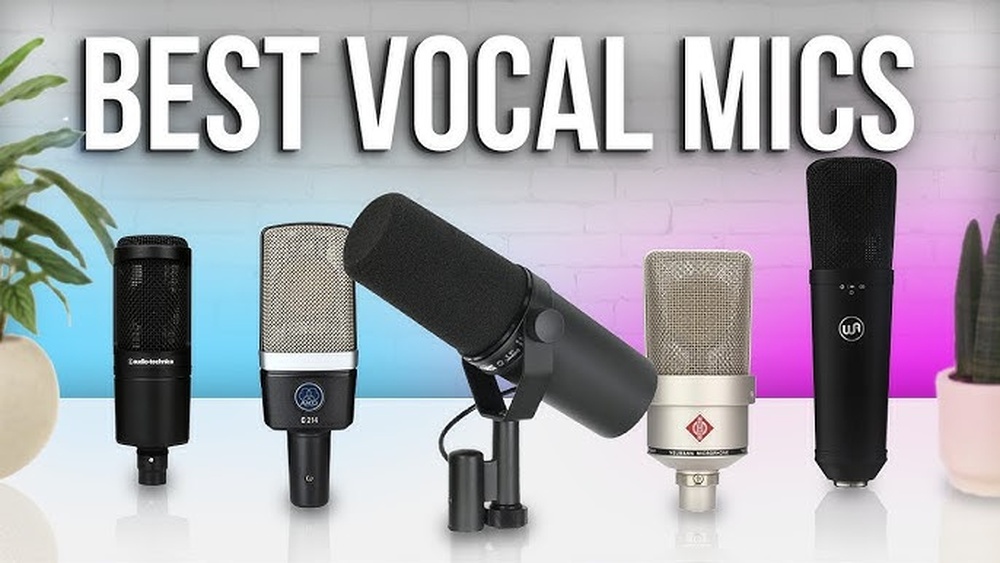
Best Microphone for Recording Vocals
Recording clear and nice vocals is very important for singers and podcasters. A good microphone helps you capture your voice well. But, with many microphones on the market, how do you pick the best one? This article will help you choose the best microphone for recording vocals. We will talk about types, features, and good microphones you can buy.
Why Is a Good Microphone Important for Vocals?
Your voice is your instrument. If the microphone is low quality, your voice will sound bad. A good microphone captures all parts of your voice. It makes your recordings sound clear and natural. This helps listeners enjoy your voice more. So, choosing the right microphone is very important.
Types of Microphones for Recording Vocals
There are two main types of microphones for vocals:
- Dynamic Microphones
- Condenser Microphones
Each type works differently and fits different needs.
Dynamic Microphones
Dynamic microphones are strong and can handle loud sounds. They are good for live shows and loud voices. They do not need extra power to work. Dynamic mics are less sensitive, so they do not pick up noise from the room easily.
But, they may not catch all the small details in your voice. This can make your voice sound less clear in recordings.
Condenser Microphones
Condenser microphones are more sensitive than dynamic mics. They catch more details and sound clearer. This makes them perfect for studio recordings. They need extra power, called phantom power, to work.
Condenser mics can pick up room noise, so you need a quiet place to record. They are the best choice for most vocal recordings.

Credit: blog.landr.com
Key Features to Look for in a Vocal Microphone
When picking a microphone for vocals, look for these features:
| Feature | Why It Matters |
|---|---|
| Frequency Response | Shows how well the mic captures different sounds. A wide range is better for vocals. |
| Polar Pattern | Controls where the mic picks up sound. Cardioid is common for vocals to reduce background noise. |
| Sensitivity | How well the mic picks up quiet sounds. Higher sensitivity means clearer voice capture. |
| Build Quality | Strong mics last longer and work better in tough conditions. |
| Price | Choose a mic that fits your budget but still sounds good. |
Credit: www.musicradar.com
Top Microphones for Recording Vocals
Now, let’s look at some microphones that work well for vocals. These options fit different budgets and needs.
1. Audio-technica At2020
This is a popular condenser microphone. It has a cardioid polar pattern. This means it picks up sound mostly from the front. It helps reduce noise from the sides. It has a good frequency response for clear vocals. The price is affordable. This mic is great for beginners and home studios.
2. Shure Sm58
The SM58 is a famous dynamic microphone. It is very strong and works well in live settings. It has a cardioid pattern to reduce background noise. It handles loud voices well. It is not as sensitive as condenser mics but very reliable. This mic is a top choice for singers on stage.
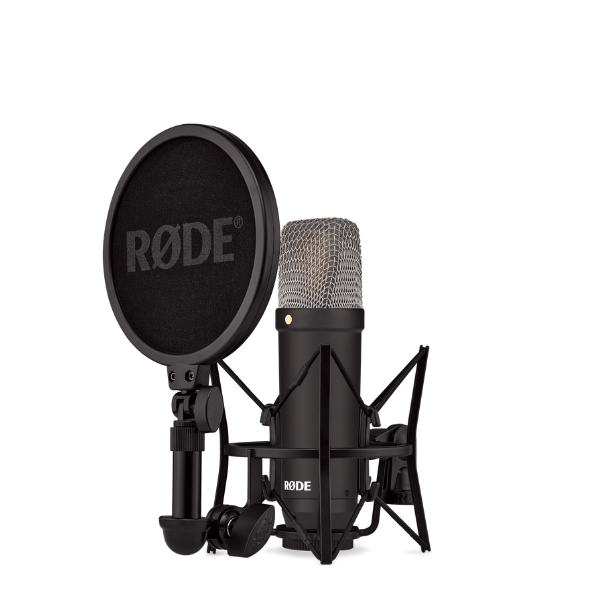
3. Rode Nt1-a
The Rode NT1-A is a condenser microphone with very low noise. It captures detailed sound and is great for studio vocals. It comes with a shock mount and pop filter. These help reduce unwanted sounds like bumps and pops. It is a bit more expensive but worth it for serious recording.
4. Blue Yeti Usb Microphone
This mic is popular for its ease of use. It connects directly to a computer via USB. No extra equipment is needed. It has multiple polar patterns, including cardioid for vocals. It is good for podcasters, streamers, and singers who want simple setup.
5. Akg P420
The AKG P420 is a condenser microphone with three polar patterns. You can choose cardioid, omnidirectional, or figure-8. This gives flexibility for different recording situations. It captures vocals clearly and works well in home studios.
Tips for Using Your Microphone to Record Vocals
Getting a good microphone is just one step. Here are tips to get better vocal recordings:
- Use a Pop Filter: This stops hard sounds like “P” and “B” from making noise.
- Record in a Quiet Room: Background noise can spoil your recording.
- Control Your Distance: Stay 6 to 12 inches from the mic for the best sound.
- Use a Shock Mount: This stops vibrations from making noise in the mic.
- Adjust Mic Angle: Slightly angle the mic to reduce harsh sounds.
How to Choose the Best Microphone for You
Think about what you need before buying a mic. Ask yourself these questions:
- Will I record in a studio or live on stage?
- Do I want a simple setup or can I use extra equipment?
- What is my budget?
- Do I need a USB mic or an XLR mic?
- How loud or soft is my voice?
Answers to these help you pick the right mic.
Frequently Asked Questions
What Type Of Microphone Is Best For Recording Vocals?
A condenser microphone is best for clear, detailed vocal recordings.
Can Dynamic Microphones Record Good Vocal Quality?
Yes, dynamic mics work well for loud or live vocal recordings.
Should I Choose Usb Or Xlr Microphones For Vocals?
XLR microphones offer better sound quality and flexibility than USB.
How Important Is Microphone Polar Pattern For Vocals?
Very important. Cardioid pattern reduces background noise and captures vocals well.
Conclusion
Choosing the best microphone for recording vocals is key. It helps make your voice sound clear and nice. Condenser microphones are great for studio work. Dynamic microphones work well for live performances. Look for features like frequency response and polar pattern. Also, consider your budget and recording space.
Some popular mics to try are Audio-Technica AT2020, Shure SM58, and Rode NT1-A. Remember to use good recording habits too. With the right microphone and setup, your vocals will sound much better.
Take your time. Find a microphone that fits your voice and style. Happy recording!