Can Microphone Be Used As Accelerometer?
Many people wonder if a microphone can be used as an accelerometer. Both devices are common in electronics. But, they do very different jobs. Let’s explore what each one does. Then, we will see if a microphone can take the place of an accelerometer.
What Is a Microphone?
A microphone is a device that changes sound waves into electrical signals. When you speak or hear sounds, the microphone picks up the air vibrations. It then turns these vibrations into signals. These signals can be recorded or sent to speakers.
Microphones are in phones, computers, and many other gadgets. They help us talk, listen to music, and record sounds. Microphones are very sensitive to sound waves. But, they are made to catch air vibrations.
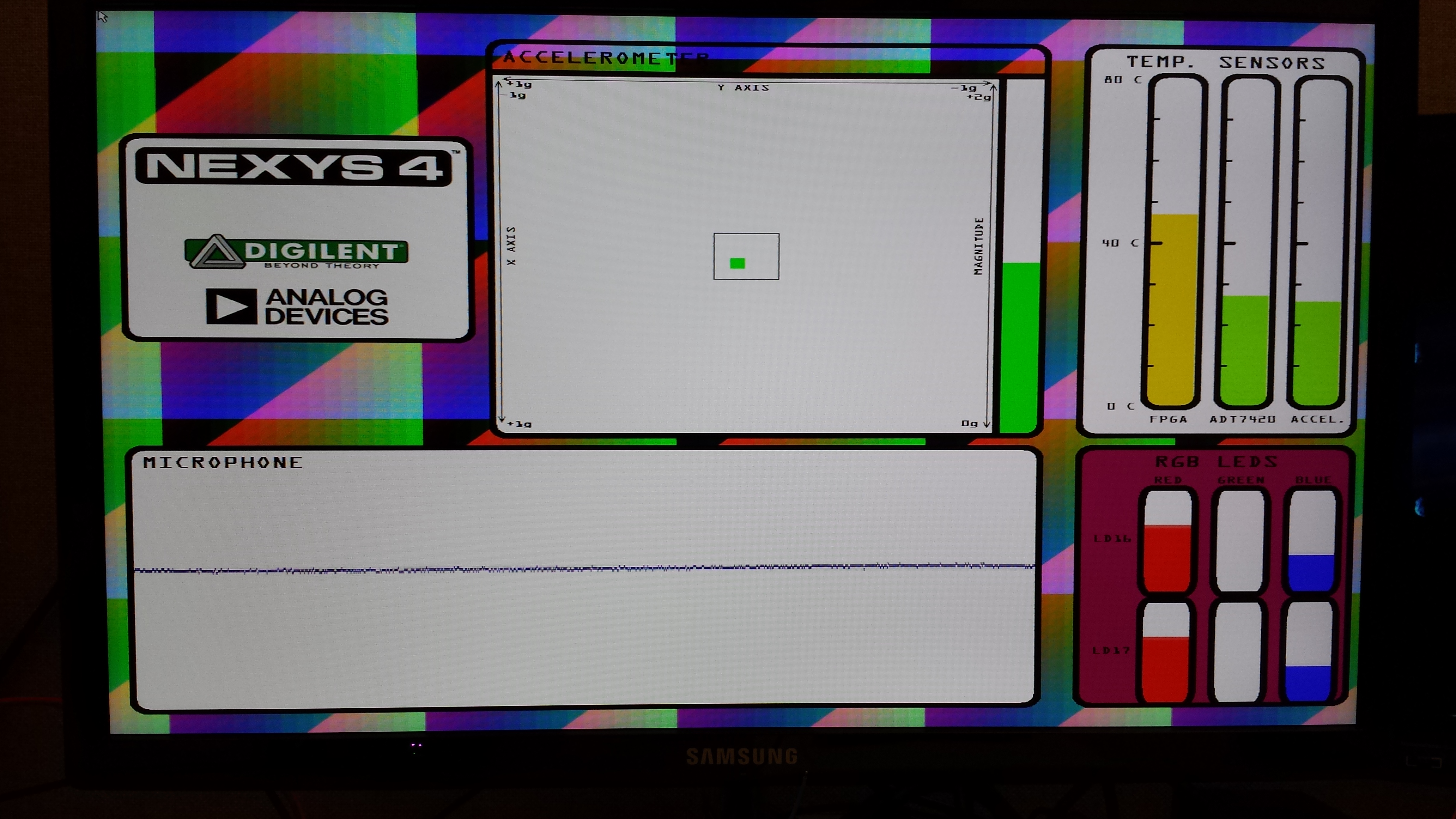
Credit: digilent.com
What Is an Accelerometer?
An accelerometer is a device that measures motion or acceleration. It tells how fast something is moving or changing speed. It can also tell direction changes. You find accelerometers in phones, cars, and game controllers.
Accelerometers help devices know if you tilt or shake them. For example, your phone screen rotates when you turn it. This happens because the accelerometer senses the change in position.
How Does an Accelerometer Work?
Inside an accelerometer, there are tiny parts that move when the device moves. These parts create small electrical signals. The signals change with motion. The device reads these signals to know the movement speed and direction.
Accelerometers can measure many types of movement. They are very good at sensing vibrations, tilts, and shakes. This helps apps work better and gives us useful information about movement.
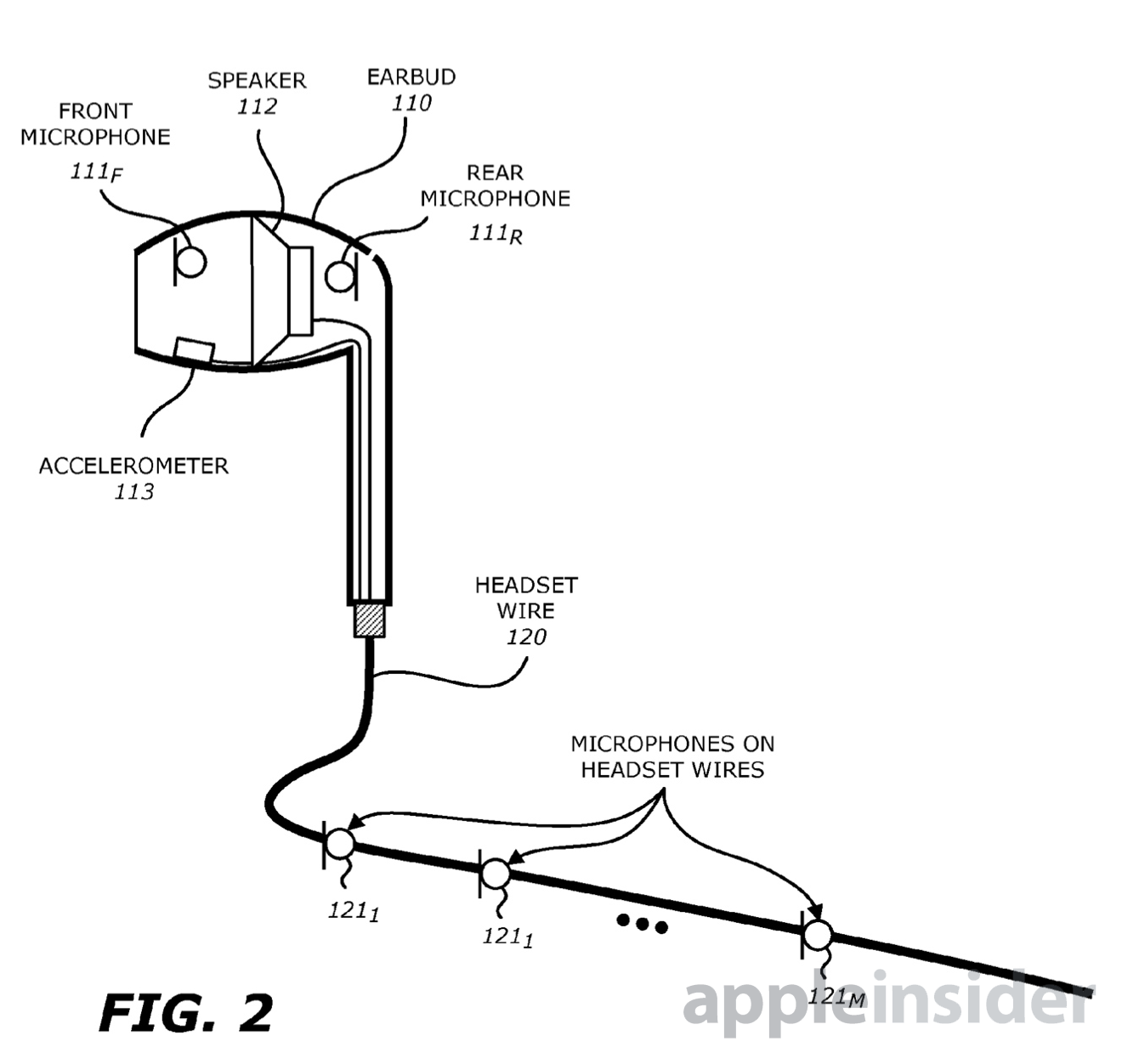
Credit: appleinsider.com
Can a Microphone Measure Movement?
Since microphones sense vibrations, some people ask if they can measure movement. After all, movement often causes vibrations. But the answer is mostly no. Microphones are made for sound waves, not for measuring motion.
Sound waves are very fast air vibrations. They have different patterns than the vibrations caused by moving a device. Microphones catch sound vibrations well. But they do not measure the type of motion accelerometers do.
Differences Between Microphones and Accelerometers
| Feature | Microphone | Accelerometer |
|---|---|---|
| Main Function | Captures sound waves | Measures movement and acceleration |
| Type of Signal | Air vibrations (sound) | Mechanical movement signals |
| Typical Use | Voice recording, sound detection | Detects tilt, shake, and motion |
| Sensitivity | High to sound frequency | High to physical movement |
| Output | Electrical signals from sound | Electrical signals from motion |
Are There Any Cases Where Microphones Detect Movement?
Sometimes, a microphone can pick up movement indirectly. For example, if you shake a device, it might create some sound or noise. The microphone can hear this sound. But this is not the same as measuring movement.
Also, some research uses special microphones to detect vibrations on surfaces. These vibrations can be related to movement. But these microphones are very different from normal ones. They work in special ways and need extra tools.
Why Can’t a Microphone Replace an Accelerometer?
- Microphones only detect sound, not actual movement.
- Accelerometers measure motion in many directions.
- Microphones do not give data about speed or tilt.
- Movement vibrations are often too weak or slow for microphones.
- Accelerometers are designed to work with motion signals.
In simple words, microphones and accelerometers have different jobs. They use different methods to get their information. So, a microphone cannot replace an accelerometer in most cases.
Can We Use Sound to Estimate Movement?
Some scientists try to use sound to understand movement. For example, if you tap on a surface, the sound changes. By studying these sound changes, they try to guess the movement or material type.
This method is tricky and not very exact. It needs many calculations and special equipment. It is not the same as using an accelerometer. So, sound can give clues about movement, but it is not a full solution.
What Happens If You Try to Use a Microphone as an Accelerometer?
If you try, you will get poor results. The microphone will only hear some noises caused by movement. It will not tell you the direction or speed. The data will be unclear and not useful for motion detection.
Also, normal microphones cannot measure steady tilts or slow movements. Accelerometers do this easily. So, relying on a microphone for motion sensing is not practical.
When Should You Use an Accelerometer?
Use an accelerometer when you want to know:
- If a device is moving or still
- The direction of movement or tilt
- How fast the device is shaking
- Changes in position over time
Accelerometers are made for these tasks. They give clear and useful data. This data helps many applications and devices work better.
Summary
Microphones and accelerometers are different tools. Microphones listen to sound waves in the air. Accelerometers sense motion and changes in speed. A microphone cannot replace an accelerometer. It cannot measure tilt, acceleration, or direction.
Sometimes, microphones can pick up sounds caused by movement. But this is not the same as true motion sensing. For accurate motion detection, accelerometers are the best choice.
If you want to detect movement, use an accelerometer. If you want to record sound, use a microphone. Each device has its own important job.
Understanding these differences helps you choose the right sensor. This makes your projects and devices work well and give good results.
Frequently Asked Questions
Can A Microphone Detect Motion Like An Accelerometer?
Microphones detect sound vibrations, not motion or acceleration like accelerometers do.
How Does An Accelerometer Differ From A Microphone?
An accelerometer measures movement and tilt; a microphone captures sound waves.
Can Sound Signals Replace Accelerometer Data?
Sound signals cannot accurately measure motion or orientation like accelerometers.
Is It Possible To Use A Microphone As A Sensor?
Microphones sense audio, not physical movement or forces like accelerometers.